Restore-first honesty for cracked dumpster pads and enclosure slabs—patch when sound, section replace when truck service already won. Photo review → $150 assessment credited if you proceed.
Proudly serving King, Pierce & Snohomish County, WA
After haul day, a cracked dumpster pad or enclosure slab is more than an eyesore—it is a trip lip at the gate line, a ponding and odor problem after washdown, and a CapEx ticket that property managers and retail ops cannot ignore. Olsen helps multi-family and plaza teams across King, Pierce, and Snohomish decide restore-first honesty for high-load waste pads: patch or limited restoration when the pad is still sound and stable, and section replace or a new pour when truck service has already crushed the panel. This page stays on the concrete pad, approach panel, and enclosure floor—not a full-lot asphalt pitch and not enclosure fence fab as the primary trade.
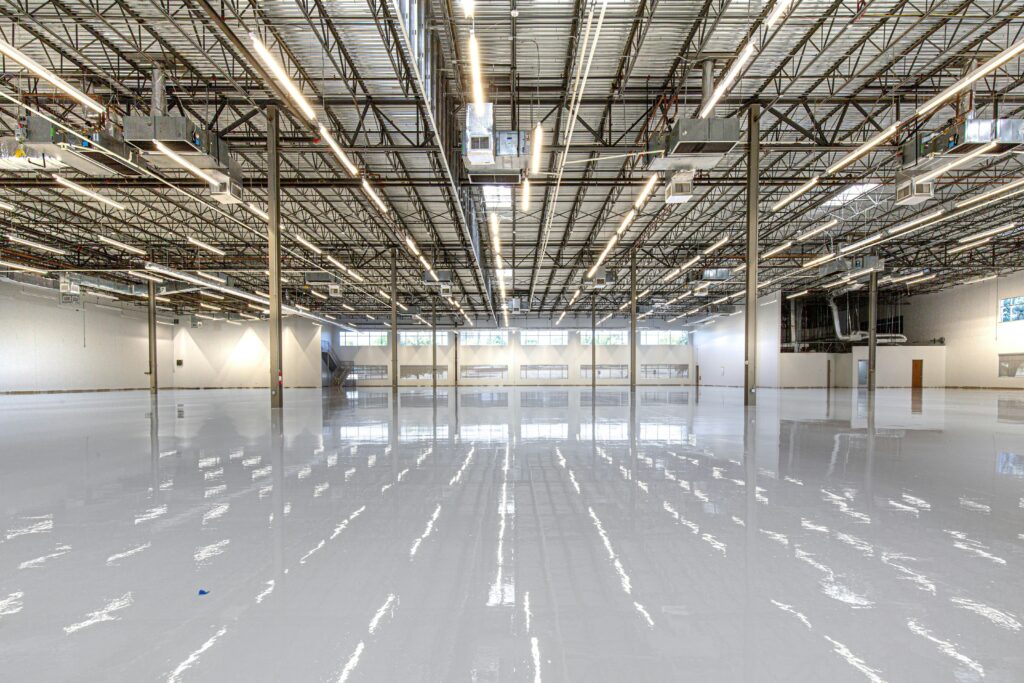
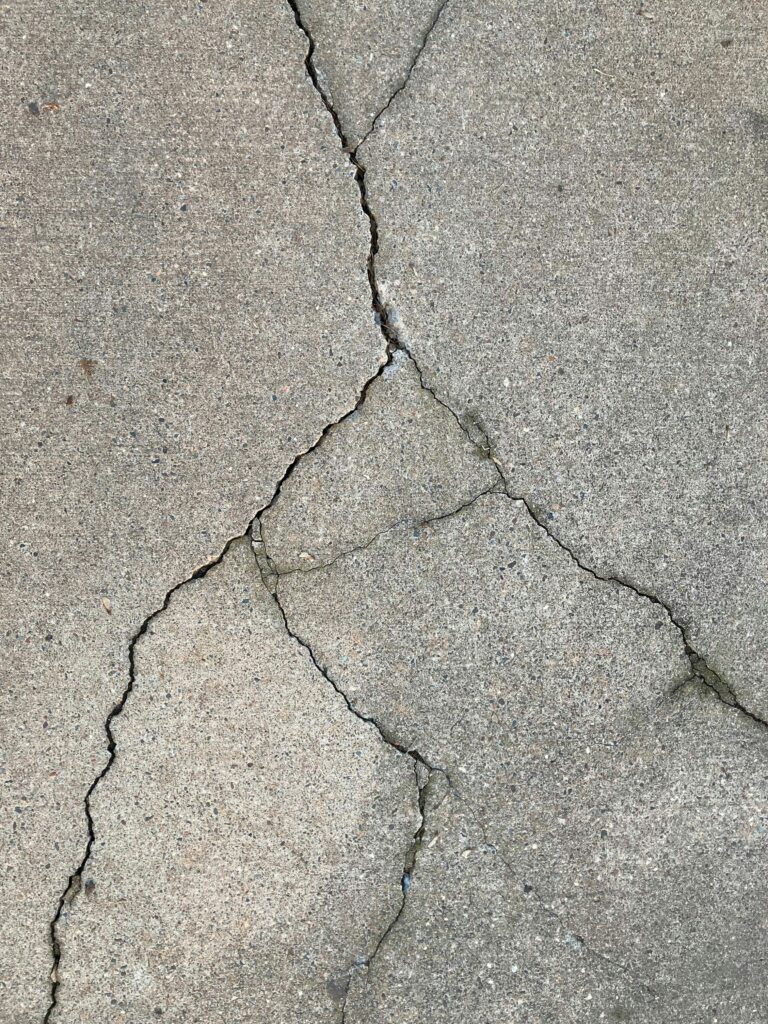
A dumpster pad / enclosure slab is the high-load concrete under containers and garbage-truck service at the enclosure face. It is not a parking drive lane and not a residential driveway finish.
Surface wear or light spalling on a sound, stable pad may allow patch or limited restoration after proper screening and prep. Rocking panels, settlement, washed-out base, or a crushed gate-line transition usually need section replacement or a new pour—not a bonded overlay as a cover-up. Overlay language on this page stays rare and candidacy-gated; a thin coat over a truck-failed pad is usually the expensive choice.
Western Washington waste areas combine concentrated service loads with wet weather. Containers roll and stage on the same panels every week. Truck weight concentrates at the enclosure entrance. Washdown water, rain, and occasional freeze at low spots drive ponding, odor, and edge spall. Thin or asphalt approaches next to the pad often fail first at the transition where wheels sit.
Property managers often notice the failure after a haul: a new trip lip at the gate, a container that no longer rolls cleanly, or standing water that will not drain after washdown. Retail plazas see the same pattern at back-of-house enclosures shared by restaurants and shops. The concrete story is local and load-driven—not a generic parking-lot rebuild sales pitch.
Olsen does not invent axle ratings, psi charts, or soil tables as online facts. The pattern you see—cracks, rocking corners, crushed entrance lips, ponding after washdown—plus how haulers and tenants use the enclosure drives the assessment.
This page is about the enclosure floor and truck approach panel at the waste area. That is distinct from parking drive-lane, striping, or sealcoat work, and from home driveway overlay pages. Broader CapEx restore-versus-replace thinking for commercial panels lives on commercial overlay vs replace; residential candidacy language is on overlay vs replacement.
Patch or limited restore can still fit when the pad sits true, damage is localized surface spall or edge chip, and the base is not pumping. Prep and repair materials must match outdoor wet exposure—product choices stay with Olsen on assessment, not as invented online specs. A restore-first screen still checks whether the panel rocks, whether joints have vertical displacement, and whether washdown water is undermining the edge. Surface cosmetics alone are not a candidacy pass for truck service.
Section replace or a new pour is the honest call when panels rock or sound hollow, vertical displacement shows at joints, settlement repeats at the gate line, the entrance transition is crushed where truck wheels sit, or prior thin patches and coats have already failed under service loads. Another thin coat over a truck-failed pad does not buy durability—it buys a second failure under the next haul cycle.
Dumpster service often needs a pad and approach detailed for container and truck loads—not a residential broom-finish driveway. Assessment confirms thickness, reinforcement, and drainage details for this site and hauler pattern. Olsen does not publish inches, psi, rebar schedules, or pad sizes as online facts.
Ponding inside the enclosure feeds odor, freeze slip risk, and edge failure. If water sits after rain or washdown, fix the water path with the concrete plan—see fix drainage before resurfacing. A smooth, sound transition at the enclosure entrance reduces catching edges for containers and staff.
Gates, latches, and fencing matter to property managers for security and cleanliness. Olsen’s scope on this page stays on the concrete pad and approach; coordinate enclosure metal trades when needed. This is light commercial concrete flatwork—not an asphalt paving specialty contractor, and not enclosure fence fabrication as the primary trade.
A complimentary phone and photo review is the fastest way for PMs and retail ops to start. Send:
Note multi-family vs retail, approximate number of containers, known haul day and access limits, and whether work must be phased nights or weekends. Call (425) 419-9949 or start from olsenconcrete.com.
Olsen starts with a complimentary phone/photo review. If a site visit is next, the $150 on-site assessment is credited toward the project if you proceed. The recommendation is restore-first when the pad qualifies; section replace or new pour when it does not; hybrid when only failed panels must go. Licensed, bonded, and insured. Serving King County, Pierce County, and Snohomish County. Hours: Mon–Sat 7:00 AM–6:00 PM. Call (425) 419-9949.
Out of scope, said once: Olsen is a concrete restoration and light commercial flatwork contractor for pads and approach panels—not an asphalt paving GC and not the primary enclosure fence fabricator.
Useful CapEx thinking starts with drivers—not invented online unit prices. Drivers include pad area, demo and haul, base rebuild, approach transition, drainage corrections, and access or phasing around haul day and tenants. Night or weekend phasing, temporary container relocation, and keeping one bay open for haulers all affect downtime more than a glossy unit-price chart online.
Pad-only or hybrid section replace can be the right move when the rest of the lot is not the failure; full-lot asphalt or concrete rebuild belongs when drive lanes, base, or drainage have already failed at scale. See also commercial overlay vs replace and concrete overlays for broader candidacy language. When pedestrian lips appear on the path to the enclosure, sidewalk trip hazard repair may also apply—keep dumpster-pad scope distinct from walkway work.
Olsen does not publish fake $/sq ft figures, lifespan years, or case-study dollar totals online. The assessment shows which concrete can stay and which path is honest for this enclosure.
Sometimes—only when the pad is still structurally sound and stable and damage is mostly surface spalling or localized edge wear after proper prep. Dumpster pads and enclosure slabs take container rolling loads and garbage-truck weight at the enclosure face, so rocking panels, settlement, washed-out base, or a crushed entrance transition usually need section replacement or a new pour—not a bonded overlay as a cover-up. Olsen screens light commercial flatwork across King, Pierce, and Snohomish with a complimentary phone/photo review, then a $150 on-site assessment credited to the project if you proceed. Call (425) 419-9949 (Mon–Sat 7:00 AM–6:00 PM).
Not automatically. If the failure is concentrated at the enclosure pad and truck approach panel, a pad-focused repair or section replace can be the honest CapEx move while the rest of the lot stays in service. Full-lot asphalt or concrete rebuild belongs when drive lanes, base, or drainage have already failed at scale. Olsen is a concrete restoration and flatwork contractor for light commercial panels—not an asphalt paving specialty firm. Send enclosure and approach photos for a complimentary review: (425) 419-9949.
A wide photo of the enclosure and approach from the drive aisle; close-ups of cracks, spalls, and any sunken or rocking corners; the gate-line transition where truck wheels sit; and any ponding after rain or washdown. Note haul day, access limits, and whether work must be phased nights or weekends. Olsen starts with a complimentary phone/photo review; if a site visit is next, the $150 assessment is credited toward the project if you proceed. Serving King, Pierce, and Snohomish—call (425) 419-9949. More candidacy answers live on our concrete repair FAQ.

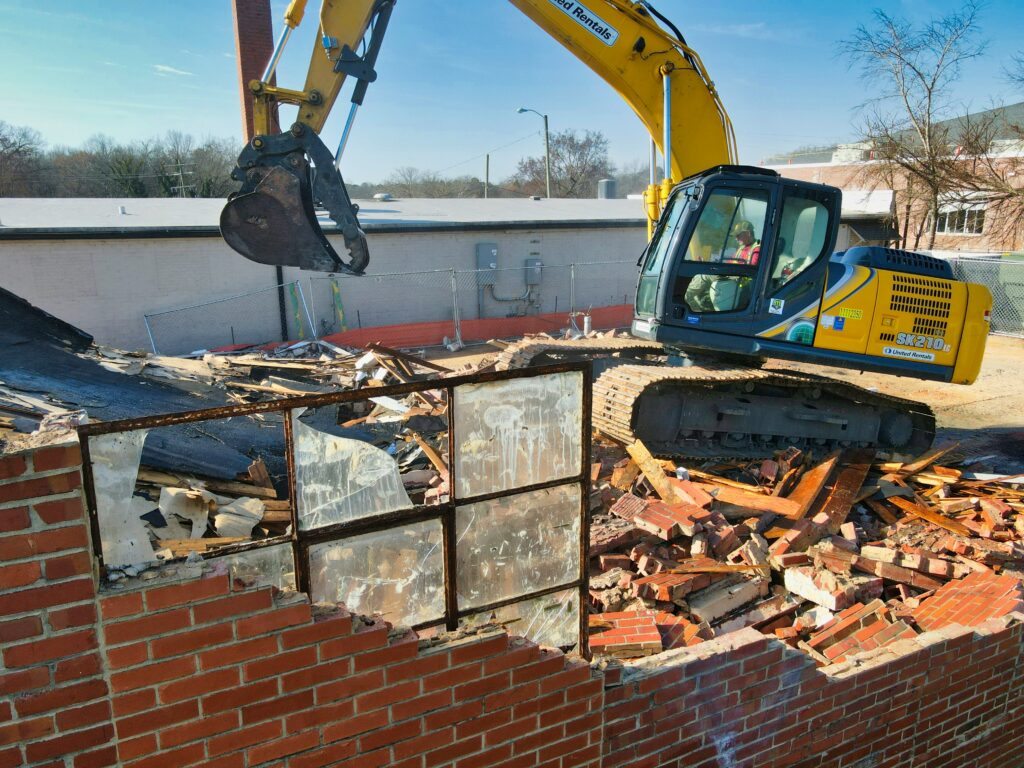
Send enclosure and approach photos for a complimentary phone/photo review. If a site visit is next, the $150 on-site assessment is credited toward the project if you proceed. Serving King, Pierce & Snohomish. Hours: Mon–Sat 7:00 AM–6:00 PM.
Or call (425) 419-9949. Licensed · Bonded · Insured. olsenconcrete.com