Standing water, garage-line runoff, and edge washout should be assessed before a bonded overlay. Olsen evaluates water paths and slab soundness together across King, Pierce, and Snohomish County.
Proudly serving King, Pierce & Snohomish County, WA
Standing water is not just a finish problem. In Western Washington, the honest question before resurfacing is whether water can leave the slab without feeding joints, edges, or the base beneath it. Olsen Concrete evaluates drainage and slab soundness together, then recommends restoration, targeted correction, a hybrid scope, or replacement.
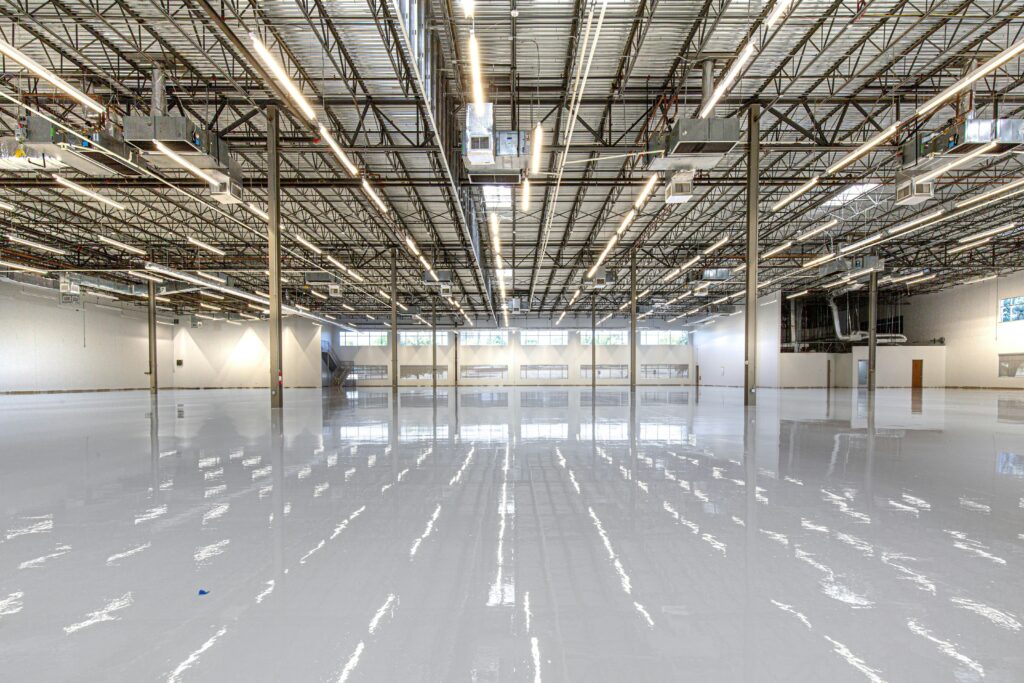
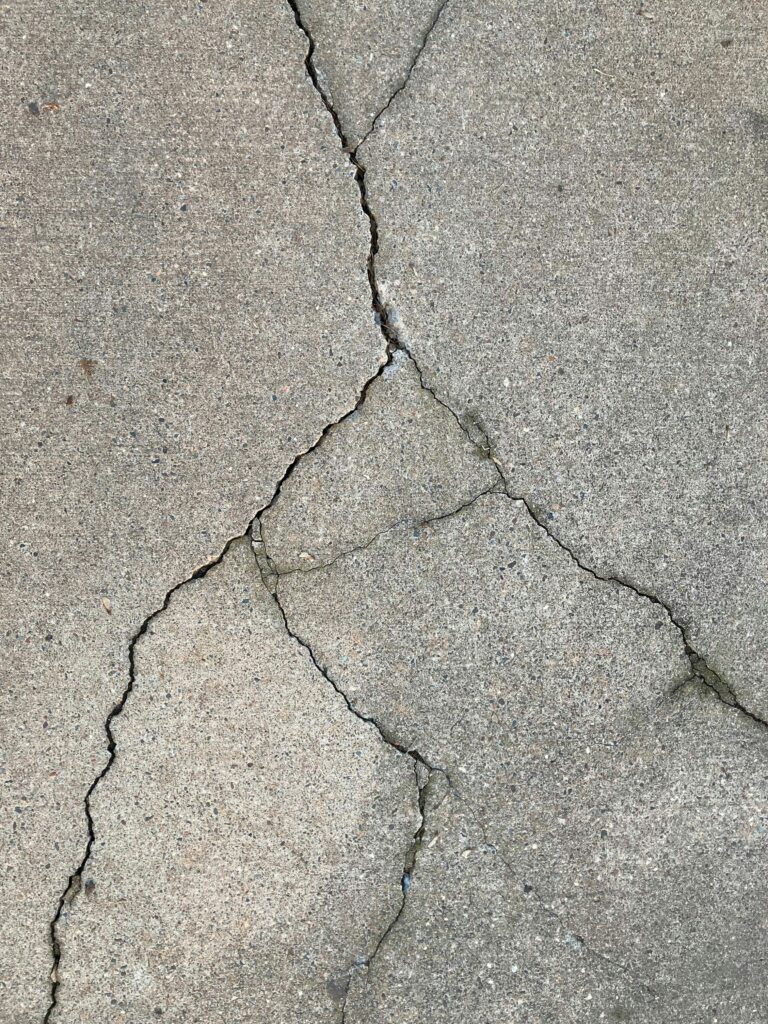
A concrete overlay is a bonded new wearing surface over existing concrete. It can renew a tired slab, but it is not a drainage redesign. Water that repeatedly ponds on the surface or finds a route below the slab can work against both the concrete and any bonded repair.
That is why Olsen starts with water paths and slab condition—not colors or finish samples. A beautiful overlay placed over a moving, wet, or washed-out slab can become the expensive choice. Fixing the cause first protects the restoration decision.
On a sound, stable slab, an overlay can renew concrete affected by scaling, wear, staining, or a generally tired surface. It can create a new, cohesive wearing surface after the host slab has been properly assessed and prepared. Learn more about the basic system on our concrete overlays page.
An overlay does not reliably reverse a major wrong-direction slope, rebuild a washed-out base, stop active settlement, or serve as a fill for chronic ponding. Those are water-path, geometry, or structural issues. Our overlay vs replacement guide explains the broader structural decision; this page focuses on how drainage affects that choice.
Surface issues that may fit restoration:
Water-path issues that need attention first:
King, Pierce, and Snohomish properties experience long wet stretches, moisture lingering at shaded edges and joints, moss-friendly conditions, and occasional freeze-thaw nights. A garage apron that looks harmless in dry weather can reveal a persistent pool when the rain returns. A joint that appears cosmetic can be a direct water route to the material below.
When water reaches the underside of a slab, it can carry away fine material and leave unsupported areas. Settlement may follow, and cracks can become part of the same drainage path. Local soils and site history vary, so Olsen does not rely on generic slope formulas or national rules of thumb. The slab, nearby grade, downspouts, joints, edges, and observed flow all belong in one assessment.
Bonding also requires suitable conditions and preparation. Resurfacing should be planned around the actual slab and weather—not rushed because a cosmetic coating seems easier than diagnosing the water.
Watch the slab during and after rain. Standing water, water collecting at the garage door, or runoff tracking toward the home are reasons to pause before choosing an overlay. In cold weather, garage-line water can also create an icing concern. The important clue is not merely that the concrete gets wet; it is where water stops, where it travels, and how often the same pattern returns.
Look for eroded soil, a gap developing along the edge, continually soft ground, or a panel that appears sunken near a wet area. Note every gutter and downspout outlet. Discharge that lands on a driveway or patio can keep feeding a problem even after the surface looks improved. A rocking feel, visible vertical displacement, or hollow response needs professional evaluation before resurfacing.
Failed joint filler, weeds growing in joints, or an old bead pulling away can provide a water path. Joint sealant closes movement joints; surface sealer serves a different purpose. Cracks also need to be evaluated for stability and movement. Treating a visible line without understanding why it opened does not protect an overlay from continued movement below.
A complimentary phone and photo review is the fastest way to begin. Rain photos are especially useful because they show the site under the conditions causing concern. Send:
Include both context and close-ups. A tight image of a puddle helps, but a wider view often explains where that water came from. If panels move, water heads toward the structure, or erosion is visible, skip the “just coat it” approach and have water paths and slab condition evaluated together.
“Fix drainage” does not mean every project needs full demolition, and it does not imply a specific drain product. Depending on the property, the path may involve redirecting gutter or downspout discharge, renewing joint sealant, treating cracks, correcting a manageable surface-flow issue, or replacing only a failed section. Olsen confirms scope after seeing the site and does not promise unverified drainage installations online.
Restoration may fit when the slab is sound and stable, drainage concerns are minor or correctable, and those water paths are addressed as part of the project. The finish comes after candidacy. See Olsen’s options for a driveway overlay or patio concrete restoration.
Active settlement or heaving, rocking panels, significant vertical displacement, base loss, or chronic ponding tied to failed geometry can put the slab outside overlay candidacy. In those cases, the right answer may be correction before resurfacing, targeted section replacement, a hybrid project, or demolition and a new pour. Overlaying uncorrected washout lets the underlying failure continue.
Concrete may look perfectly ready for resurfacing after a stretch of clear weather. The water pattern is still there; it is simply harder to see. Staining at a low point, moss along a shaded edge, sediment beside a joint, or soil pulled away from the slab can be evidence of repeated flow even when the surface is dry.
That is also why after-rain photos are more useful than guessing from a single dry visit. They help connect the puddle to a downspout, edge, joint, or surrounding grade. Olsen can use those clues to decide what needs closer inspection and whether the concern appears compatible with restoration. The goal is not to make every slab perfect. It is to avoid covering evidence that should change the scope before work begins.
Olsen’s process starts with a complimentary phone and photo review. If an on-site decision is warranted, the $150 on-site assessment is credited to the project when you proceed. During the visit, Olsen looks at drainage evidence, slab movement and displacement, joints, cracks, edges, panel condition, access, and which concrete may be worth keeping.
The recommendation is restore-first, not overlay-at-all-costs: repair and overlay when the slab qualifies; replace failed sections when a hybrid scope is more honest; or choose demolition and a new pour when the base or geometry has already failed. Olsen is licensed, bonded, and insured and serves King, Pierce, and Snohomish County. Call 425-419-9949.
Useful pricing begins with scope. Drainage correction, preparation intensity, crack and joint work, the area being restored, failed sections, demolition and hauling, and site access can all affect a proposal. A low overlay price that ignores active water is not a bargain if the same failure returns through the new surface.
Olsen does not use invented online unit prices or one-size lifespan promises. The assessment is designed to show which concrete can stay, what must be corrected first, and whether restoration or replacement offers the more defensible path for this property.
The same water-first decision applies to driveways, garage aprons, patios, sidewalks and walkways, and small outdoor commercial slabs. Interior garage-floor moisture and vapor are a different conversation; see garage floor overlay vs epoxy for that fork.
Olsen provides concrete restoration and replacement guidance throughout King County, Pierce County, and Snohomish County. Start with rain photos and a phone conversation. We will tell you whether the next step is an on-site assessment and keep both restore and replace options on the table.
Ready to evaluate the water and the slab together? Call 425-419-9949 for a complimentary phone/photo review. You can also review common questions on our concrete repair FAQ.
Often, yes. An overlay renews the wearing surface of a structurally sound slab; it does not reliably change where water wants to go or rebuild a washed-out base. Ponding, runoff toward a structure, open joints, and erosion should be evaluated before resurfacing.
Usually not as a drainage redesign. Minor, correctable water issues on a sound slab may be addressed within a restore-first project, but chronic ponding, major wrong-direction flow, settlement, or failed base can require correction, section replacement, or full replacement instead.
Red flags include recurring ponding, water at the garage or house, edge washout, downspouts feeding the slab, open joints or cracks, rocking panels, and vertical displacement in wet areas. Those patterns point beyond a tired finish and require the water path and slab to be assessed together.

Send photos after rain for a complimentary phone/photo review. If a site visit is the right next step, the $150 on-site assessment is credited to your project when you proceed.
Or call 425-419-9949. Licensed · Bonded · Insured.