Peeling edges, hollow/drum sound, and sheet lift are bond failures—not a cue to seal. Honest strip → host candidacy → redo or replace for King–Snohomish–Skagit.
Proudly serving King, Snohomish, Skagit & Pierce County, WA
Peeling edges, a hollow/drum sound, and sheet-like lift are bond failures—not a cue to seal over the problem. In Pacific Northwest moisture, a failed overlay needs an honest strip-and-assess path: redo only if the host slab still qualifies; replace when structure or base has failed. Olsen helps Seattle-area / King–Snohomish–Skagit homeowners with candid delaminated concrete overlay repair triage—not another thin coat over failure. Call (425) 215-2560.
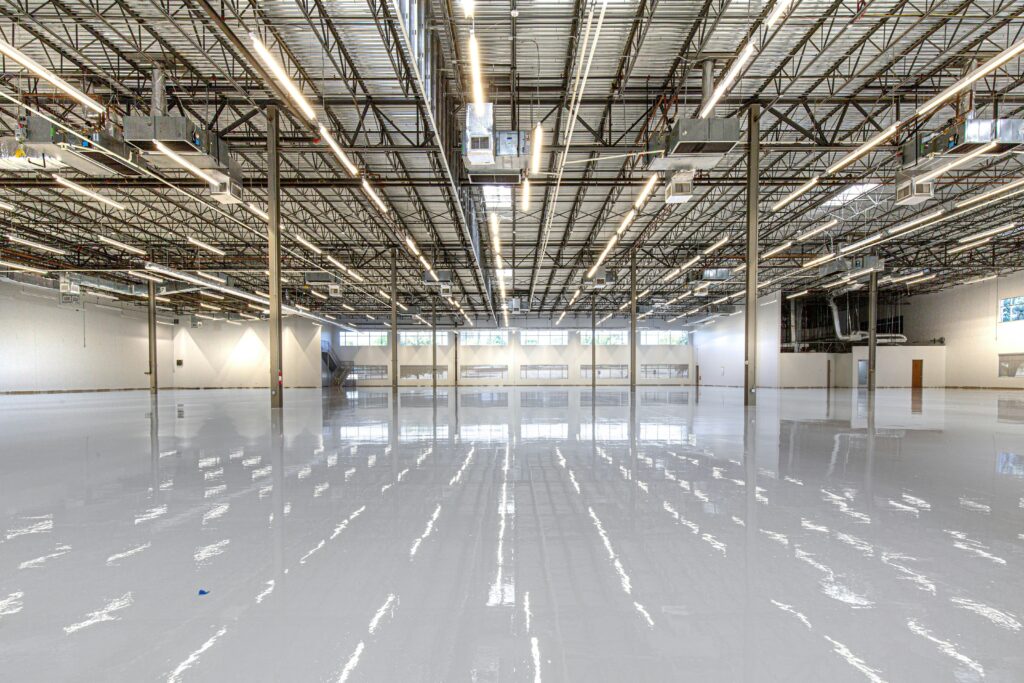
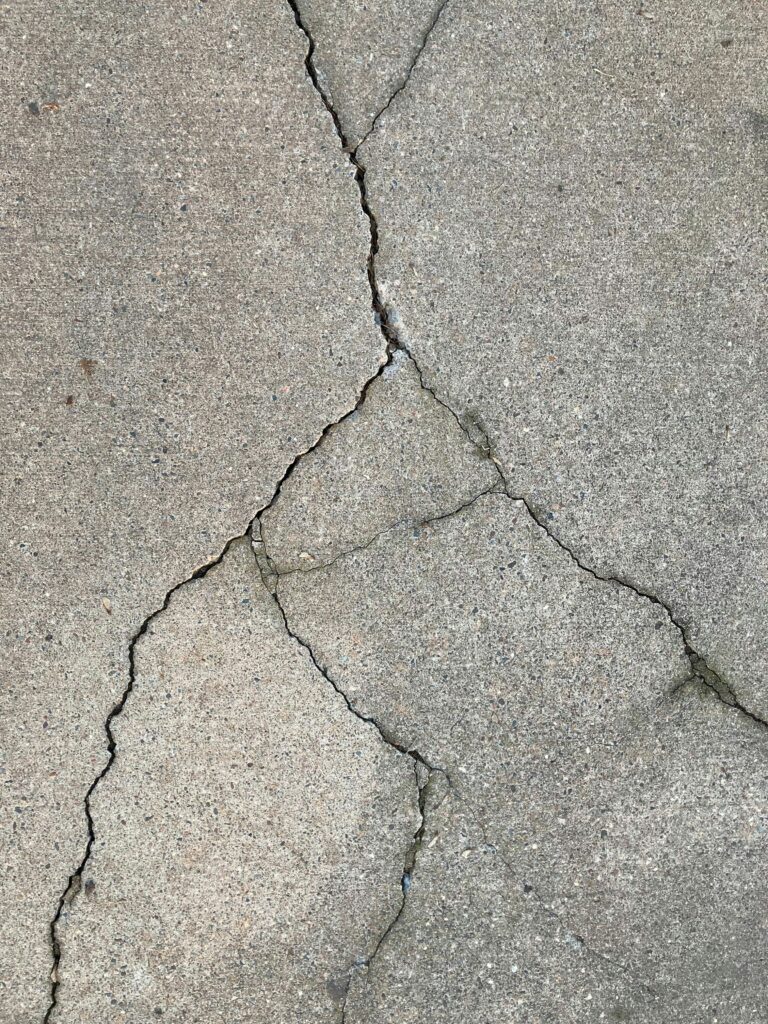
Delamination means the overlay or coating system lost bond—hollow spots, peel, blister, or sheet lift. The host slab may still be restorable after the failed layer is removed and screened—or it may already be a replace case. Hire triggers for replace or hybrid work include rocking or heaved panels, vertical offset, failed base, chronic ponding that needs rebuild, and a host that will not accept a reliable bond after screening. Competitor and DOT guides invent bond PSI, %-area replace triggers, and “lasts X years” claims—treat those as general industry guidance, not Olsen warranties. Olsen does not publish one-size thickness, PSI, %-area, or $/sq ft cutoffs online; candidacy is confirmed on assessment.
Western WA shade, ponding, and wet winters make bond and drainage honesty more important than Midwest deep-freeze storytelling. If you are still shopping broad driveway options, start with concrete driveway repair Seattle for the patch → overlay → replace ladder.
Common field signs:
Deep structural cracks with vertical offset are a different problem—they still need a condition read, not another DIY coat. Seal & maintain overlay guidance is aftercare for sound overlays—not a fix for hollow peel.
Poor mechanical profile, contamination, or the wrong system over a moving or saturated host are classic bond killers. For prep, see grind vs shotblast overlay prep—product brands and PSI stay on assessment.
Trapped moisture under films or thin systems, plus ponding and shade that keep failure zones wet, drive many PNW peel-backs. Before any redo, fix flow—required companion: fix drainage before resurfacing.
An overlay cannot “glue together” rocking panels or a failed base. Decision framing: overlay vs replacement. When demo + new pour is honest for the whole drive, see concrete driveway demolition & replacement.
The failed layer must be removed or thoroughly evaluated before any redo decision. We do not publish DIY demo recipes, equipment brand lists, or day-count guarantees.
The host slab is stable and bondable after removal and prep; failure was mostly system/prep—not active settlement or rocking; and drainage/moisture contributors can be addressed. Product path: concrete overlays and driveway overlay.
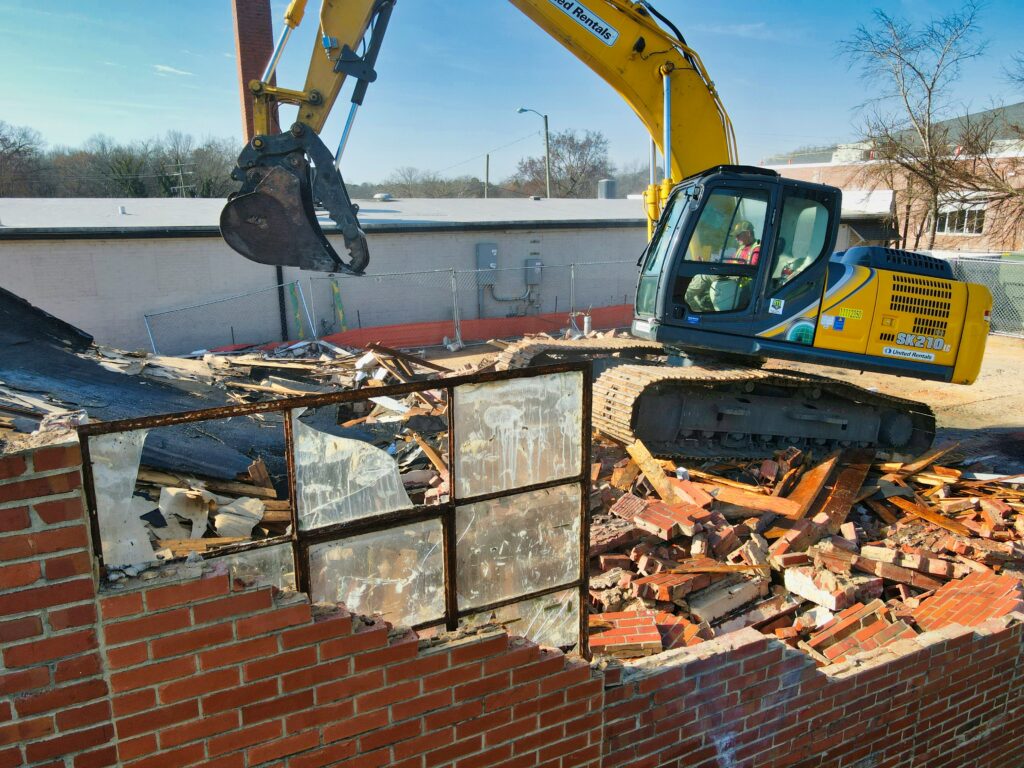
Panels rock, heave, or show vertical offset; the base has failed; chronic ponding needs rebuild with a new pour; or the host will not accept a reliable bond after screening. Garage film failures at the threshold are a related decision—see garage apron overlay vs replace—distinguish cementitious overlay bond failure from garage coating peel without turning this into an epoxy brand war.
This guide covers peeling, hollow, or failed resurfacing, and whether to strip and redo or replace. Related guides: seal & maintain (aftercare for sound overlays), overlays (the restore system when the slab qualifies), driveway repair (cracked driveways), and demo + replacement (tear-out and new pour when the slab has failed).
A phone and photo review is the fastest honest strip-and-assess read. Send:
Call (425) 215-2560 or start from olsenconcrete.com.
Olsen starts with a phone/photo review. If a site visit is needed, we’ll schedule an on-site assessment (one complimentary reschedule with ≥48 hours’ notice). You leave knowing whether strip & re-overlay, drainage-first, section replace, or full demo is honest—including “host still qualifies for redo” when it does. Licensed, bonded, and insured. Serving King County, Skagit County, and Snohomish County from a Lake Stevens service-area base. Hours: Mon–Sat 7:00 AM–6:00 PM. Call (425) 215-2560.
More candidacy answers live on our concrete repair FAQ.
Related resources:
Sometimes. Peeling edges, blistering, and a hollow/drum sound usually mean bond failure of the overlay or coating—not automatically a dead slab. After the failed layer is removed or thoroughly evaluated, the host is screened like a first-time candidate. Re-overlay may fit when the slab is stable and bondable, failure was mostly system/prep, and drainage/moisture issues can be addressed—see concrete overlays. Replace (or section replace) is honest when panels rock or heave, the base has failed, chronic ponding needs rebuild, or the host will not accept a reliable bond. We don’t publish thickness or %-area cutoffs online—confirm on assessment. Call (425) 215-2560 for a phone/photo review, then an on-site assessment if a visit is needed. Lake Stevens–based; King, Snohomish, Skagit & Pierce. Hours Mon–Sat 7:00 AM–6:00 PM.
No. Sealing or coating over hollow or peeling material traps the problem and wastes product. Sealer aftercare belongs on a sound overlay—see seal & maintain for rain/moss habits, not as a peel fix. Assessment first: (425) 215-2560.
Common contributors include poor prep, moisture trapped under a film or thin system, overlay on a slab that was already moving, shade/ponding that keeps the surface saturated, and products used outside their intended use. Western WA moisture makes bond and drainage honesty more important than Midwest deep-freeze storytelling. Olsen does not publish durability years online—assessment decides the next step.
Strip and evaluate the host. Redo when the slab sits true and is bondable after prep and moisture contributors can be fixed. Replace when rocking, base failure, unbondable host, or rebuild-level drainage demands it. See overlay vs replacement and demo + replacement when the whole drive is past restore.
Wide shot, peeling/blister close-ups, ponding after rain, any rocking or trip lips, and visible prior layers at edges. Phone/photo review → optional assessment. (425) 215-2560.
No. Hollow often means the surface system lost bond while the host may still qualify for strip & redo. Rocking panels, vertical offset, or failed base push toward section/full replace. Confirm on assessment—not from a single tap description alone. Call (425) 215-2560.

Send peeling, hollow, and ponding photos for a phone review. If a site visit is needed, we’ll schedule an on-site assessment. One complimentary reschedule with ≥48 hours’ notice. Hours: Mon–Sat 7:00 AM–6:00 PM.
Or call (425) 215-2560. Licensed, bonded & insured · Lake Stevens service-area base · King, Snohomish, Skagit & Pierce.