
Why mechanical prep beats pressure-wash-only before bonded overlays and coatings in Western WA—grind vs shotblast in plain English.
Proudly serving King, Snohomish & Skagit County, WA
Bonded overlays and coatings fail when prep is skipped. Homeowners and light-commercial buyers in King, Snohomish, and Skagit often hear “we’ll just wash it and coat it”—or get competing bids that mention grinding or shotblasting without explaining why. This page is a plain-English grind vs shotblast vs wash-only frame before overlay or coating. We don’t publish CSP charts, mil bands, or per-square-foot prices. Exact method follows the product’s requirements and site conditions—confirmed on assessment.
Related resources:
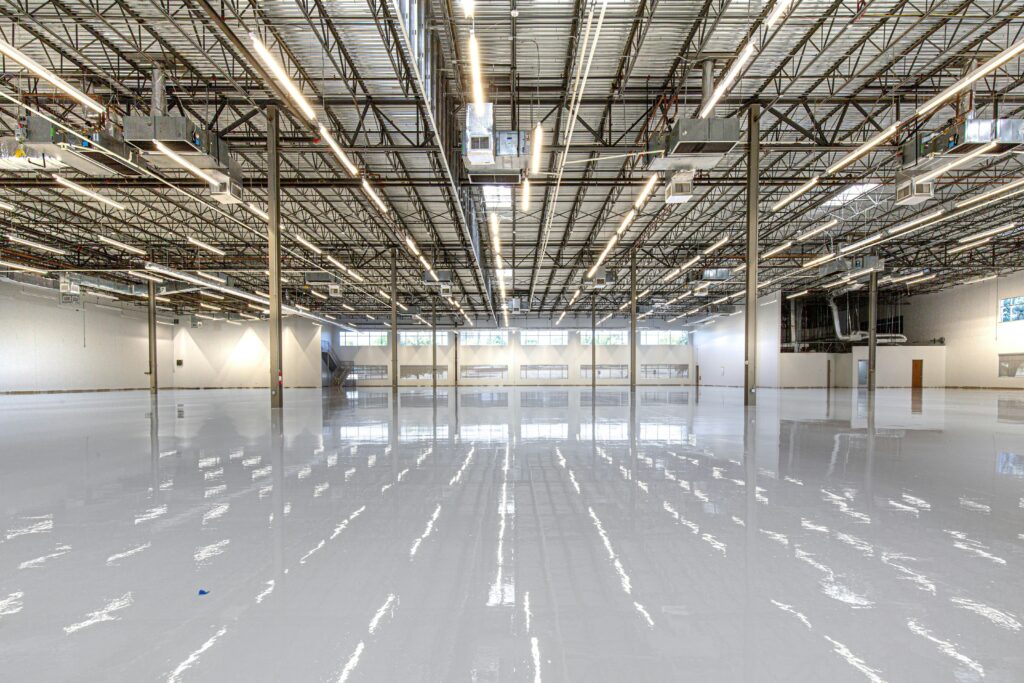
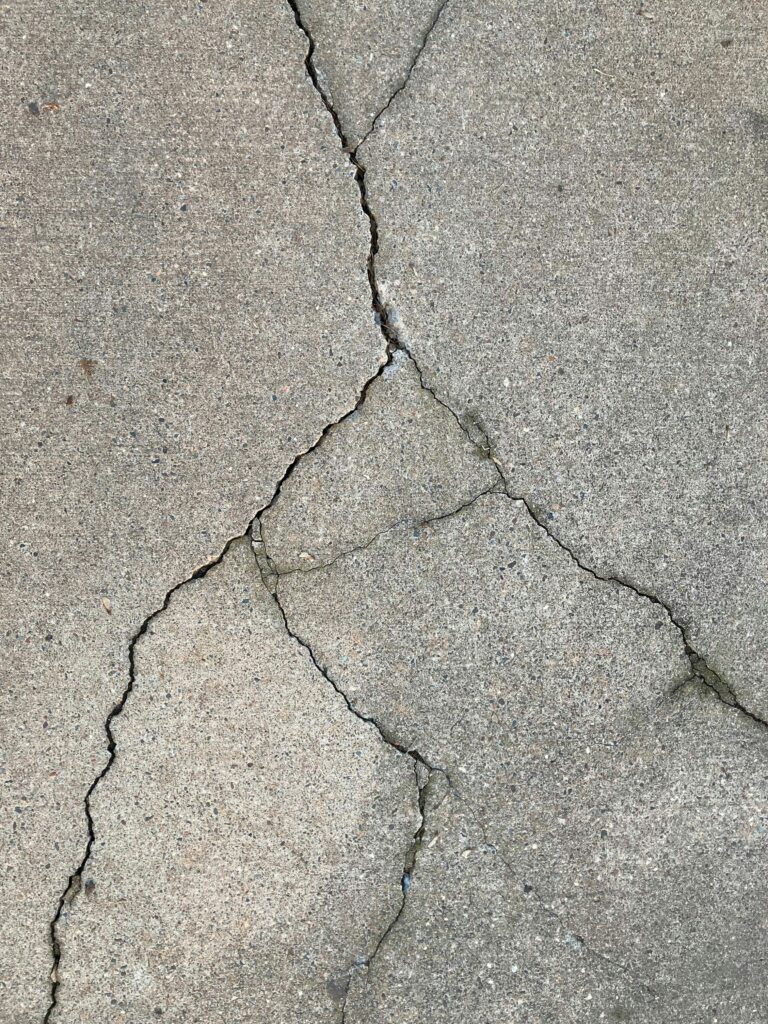
Surface prep for bonded systems is trying to do two jobs: remove weak cream, laitance, old films, and contaminants, and create a profile the new material can lock into. Pressure washing is a cleaning step—not usually a complete prep for bonded overlays or epoxy-style coatings. Diamond grinding and/or shotblasting are mechanical methods matched to the system and the slab. Many projects use both. Olsen confirms method during a complimentary phone/photo review and a free on-site assessment.
Diamond tooling removes cream, old sealers, adhesives, and coatings; controls high spots; and reaches edges, walls, drains, and doorways that open-floor machines miss. Industry practice often uses grinding for many epoxy and thin coating preps, and it is also the path that can lead toward polish.
In occupied spaces, dust control matters. Treat that as a qualitative hire reason—not a DIY rental checklist. Grinding alone is not always enough on open floors with lows the grinder skips; that is where shotblast enters the conversation.
Shotblasting propels steel shot to profile open floor area, including lows grinders can miss. It is commonly discussed for coatings, self-levelers, underlayments, and cementitious toppings when the manufacturer calls for a mechanical profile across the field. Limitations are real: edges, columns, and obstructions often still need grinding; soft or elastic coatings may need grind-first removal before a blast pass. Treat competitor and national method language as industry context—not Olsen equipment guarantees.
Blast the field; grind perimeters, drains, columns, and doorways. A method mix is normal field practice, not automatic upselling. The goal is a clean, sound, profiled host—not a brochure default.
Washing removes dirt. It does not reliably remove curing compounds or laitance, and it does not create the profile most bonded-system manufacturers require. A wet slab also needs full dry-down before overlay—moisture honesty without publishing test numbers. Regional tip pages that stop at wash + dry are incomplete for bonded overlays in Western Washington.
If someone bids wash-only for a bonded overlay or garage coating, ask which manufacturer technical data sheet allows that for this system. Then send photos for a second opinion before coating day.
Peel, blister, hollow sound, and edge lift are classic aftermath stories. “Cheap prep” becomes an expensive redo. Restore-first includes refusing to coat over contamination or a weak surface. If a prior overlay already failed, start with failed / delaminating overlay repair—not another coat over the same prep mistake.
Planning the overlay itself: concrete overlays, driveway candidacy at driveway overlay, and restore-vs-replace honesty at overlay vs replacement. Garage film vs cementitious path: garage floor overlay vs epoxy.
The industry uses ICRI Concrete Surface Profile chips as a shared language for how rough a prepared surface is. Many technical data sheets call for mechanical methods to a stated profile. Olsen does not publish CSP targets, mil charts, or grind $/sq ft as online facts. Olsen follows the overlay or coating manufacturer’s prep requirements for the system on your slab; assessment confirms method.
Chemical DIY etching is a separate question—see our guide to acid etching vs grinding. This guide covers mechanical methods.
Send a wide shot plus close-ups of the existing finish, any coatings or sealers, oil stains, prior overlay, and whether the space is garage vs exterior. Note known contaminants and access limits. Call (425) 215-2560 or start from olsenconcrete.com.
Olsen starts with a complimentary phone/photo review. If a site visit is needed, we’ll schedule a free on-site assessment. Licensed, bonded, and insured. Serving King County, Skagit County, and Snohomish County. Hours: Mon–Sat 7:00 AM–6:00 PM.
Drainage and ponding still matter before resurfacing—see fix drainage before resurfacing. Decorative stamp color restore is a separate decision ladder: faded stamped concrete restore. Wet-season install timing: winter rain overlay scheduling. More process answers: concrete repair FAQ.
Prep is not a line-item you want to “win” by deleting. Drivers include existing coatings or sealers, oil and contamination, edge density, garage vs exterior access, dust control needs, and which system you are bonding. Wash-only looks cheaper on paper and often funds a delamination later. Olsen does not publish grind or shotblast unit prices online. Assessment matches method to manufacturer requirements and the slab you have.
Usually you need mechanical surface preparation—not just a pressure wash—before a bonded overlay or coating. Diamond grinding and/or shotblasting remove weak surface cream, old sealers or coatings, and create a profile the new material can lock into. Pressure washing helps clean dirt but typically does not meet manufacturer prep requirements by itself. Exact method depends on the system and site conditions; Olsen confirms prep during a complimentary phone/photo review and a free on-site assessment. Call (425) 215-2560 (Mon–Sat 7:00 AM–6:00 PM). Serving King, Snohomish, and Skagit.
Neither is universally “better.” Grinding excels at controlled removal, coatings and adhesives, high spots, and edges; shotblasting profiles open floor area quickly and reaches lows grinders can miss. Many projects use both—blast the field and grind perimeters. The right choice follows the overlay or coating manufacturer’s requirements and what the slab needs. Ask Olsen which method fits your surface: (425) 215-2560.
Rarely for a bonded overlay or epoxy-style coating. Wash-only can leave curing compounds, laitance, or a smooth cream that rejects bond—leading to peel or delamination later. Treat washing as cleaning support, then plan mechanical prep as required. If a prior overlay already failed, send photos before recoating. Call (425) 215-2560 for a photo review.
Send finish and contamination photos for a complimentary phone/photo review. If a site visit is next, we’ll schedule a free on-site assessment. Hours: Mon–Sat 7:00 AM–6:00 PM.
Or call (425) 215-2560. Licensed · Bonded · Insured.