
When localized concrete patching still works on a sound host across King, Snohomish & Skagit and when overlay or section replace is the honest next step. Photos + free assessment.
Proudly serving King, Snohomish & Skagit County, WA
Isolated cracks, chips, edge breaks, and open joints on Western WA flatwork often look like “the whole slab is done”—but many still qualify for targeted concrete patching when the host is sound. Olsen helps King, Snohomish & Skagit homeowners (and some HOAs / property managers) with an honest localized patch hire path: crack, spall, joint, and edge repair when candidacy passes; a clear patch → overlay → section/replace ladder when it doesn’t; short DIY bag-fail notes without recipes. Start with a complimentary phone/photo review, then a free on-site assessment if a visit is needed. Call 425-215-2560.
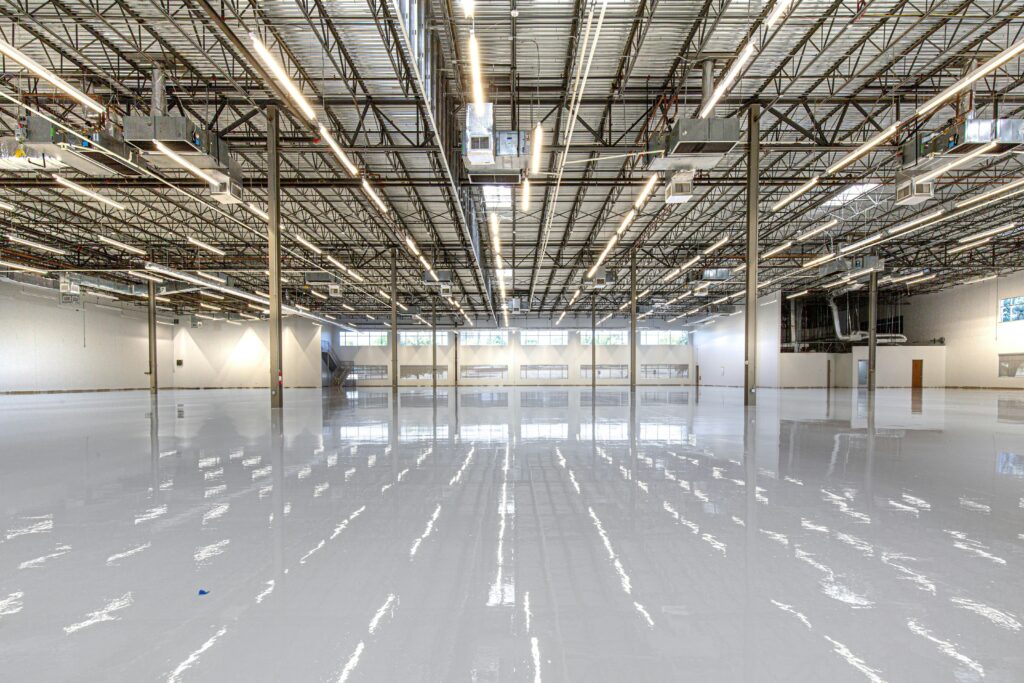
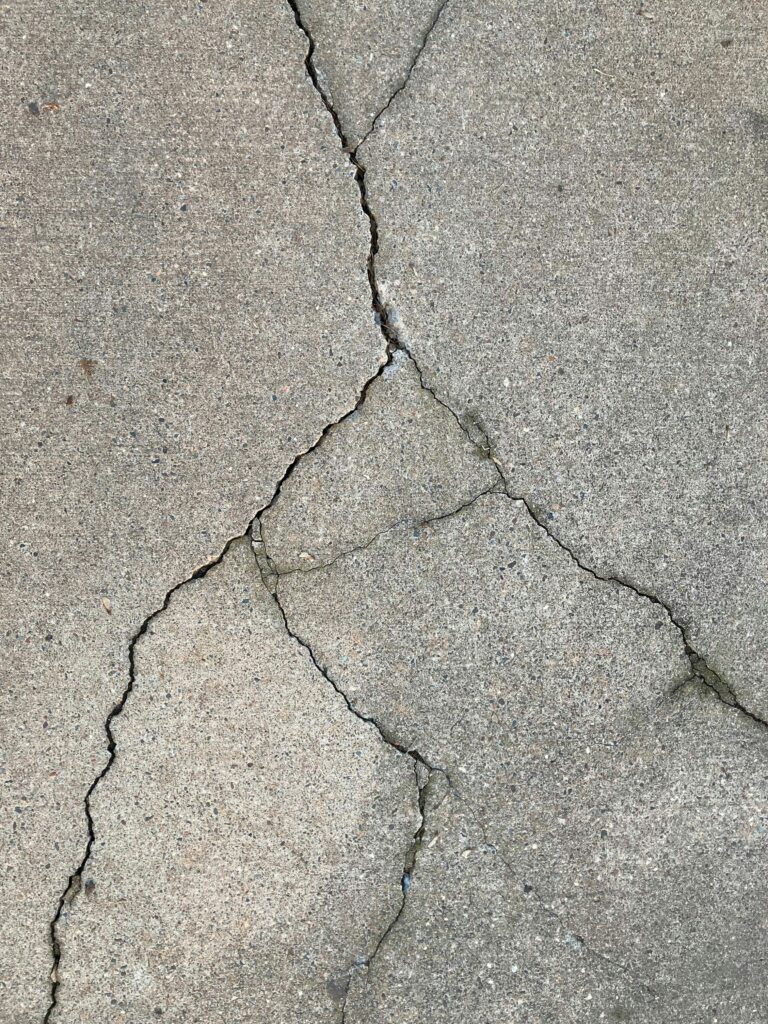
Concrete patching restores a localized defect on an otherwise usable slab—not a whole-field resurfacing and not a structural rebuild. It often fits when the panel is stable (no rocking, major vertical offset, or failed base), damage is confined (stable crack, shallow spall, chip, edge, or treatable joint), and untreated water is not actively destroying the same spot every season.
Escalate when wear or light cracking is field-wide on a true-sitting host—that is usually a bonded overlay conversation, not years of spot bags. Rocking panels, displacement, failed subgrade, or chronic ponding that needs rebuild point to section/full replace or hybrid work. For whole-drive triage when the problem is not a discrete zone, see concrete driveway repair Seattle. Competitor guides invent crack-width inches, patch-depth cutoffs, $/sq ft bands, and “patch lasts X years” tables—treat those as general industry guidance only. Olsen does not publish one-size unit prices, depth cutoffs, or lifespan warranties online; candidacy and scope are confirmed on assessment. Send photos for a complimentary phone review, then book a free on-site assessment. Call 425-215-2560 (Mon–Sat 7:00 AM–6:00 PM).
Stable, non-displaced cracks on a sound host may fit targeted repair after proper prep. Growing cracks, vertically offset lips, or map/pattern cracking across large areas usually need to escalate—see driveway repair for whole-drive options and overlay vs replacement for the restore-vs-replace decision. We don’t publish DIY caulk brand recipes or one-size width cutoffs online.
Small shallow spalls and corner chips on otherwise sound concrete may fit partial-depth repair after removing loose material. Widespread flaking paste fields are a different problem—see concrete spalling repair Seattle, then overlays when the host qualifies.
Open, raveled, or edge-broken joints and edges on a stable slab may fit localized rebuild or patch. See also: driveway joint repair & resealing. Trip lips on walks where height/hazard is the real search belong on sidewalk trip-hazard repair.
Driveways, patios, walks, aprons, garage entries, and light common-area flatwork with localized defects. Related surface decisions when the zone is already decided: patio concrete restoration, garage apron overlay vs replace. Not asphalt. Municipal right-of-way promises are not made here—private vs ROW is clarified in photo review.
A discrete defect; host sound and stable; cause addressable (or already addressed). Outcome language stays honest: targeted repair, not “we’ll make it look brand new forever.” Saying “a patch is enough” when candidacy passes is part of restore-first work—scare-replace for a corner chip helps no one.
Wear, light cracking, or surface fatigue across the field, but the slab still sits true. See also: concrete overlays, driveway overlay, and overlay vs replacement. Mechanical profile matters for bond—see grind vs shotblast overlay prep; product system and thickness stay on assessment. Selling another thin spot coat over a tired whole field is often the expensive choice.
Rocking or hollow panels, deep deterioration into structure, failed base, active heave/settlement, or repeated failed patches on the same panel. Hybrid is OK when assessment supports it: replace failed panels, patch or restore the sound remainder. For whole-driveway options, see concrete driveway repair Seattle; for the restore-vs-replace decision, see overlay vs replacement.
Long wet stretches, nights around freezing, and water sitting in pores and joints punish weak bonds. Before you patch or coat over a ponding low, fix flow—required companion: fix drainage before resurfacing. Open water paths and untreated ponding will kill a pretty patch the same way they kill a thin overlay.
Common fail modes at a high level: dirty or mossy bond face; curing through a wet weekend; treating a movement or drainage symptom instead of the cause; stacking bags on a growing wear field; contaminating the surface for a later professional repair or overlay. Olsen does not publish mix ratios, brand SOPs, cure-hour charts, or product recipes as specs. For the fuller DIY-vs-hire checklist, see DIY vs pro concrete repair—keep this section short.
Related: DIY vs pro · joint repair · FAQ.
Complimentary phone/photo review is the fastest honest patch-vs-overlay-vs-replace read. Send:
Call 425-215-2560 or start from contact / olsenconcrete.com. Hours: Mon–Sat 7:00 AM–6:00 PM. Lake Stevens service-area base · King, Snohomish & Skagit. If a site visit is needed, we’ll schedule a free on-site assessment.
Cost talk: scope depends on defect type, host condition, prep, access, drainage corrections, and whether section replace is required—not made-up $/sq ft. Competitor unit-price cards and lifespan bands stay general planning guidance only.
Olsen starts restore-first: patch when local and the host is sound; overlay when field wear qualifies; honest section/replace (or hybrid) when structure or base has failed. Complimentary phone/photo review first. If a site visit is needed, we’ll schedule a free on-site assessment. You leave with a clear recommend—including “patch is enough” when it is, and “stop stacking bags; overlay or replace this panel” when it is not.
Licensed, bonded, and insured. Serving King County, Skagit County, and Snohomish County from a Lake Stevens service-area base. Hours: Mon–Sat 7:00 AM–6:00 PM. Call 425-215-2560. More candidacy answers: concrete repair FAQ.
Related resources:
More candidacy answers live on our concrete repair FAQ.
Often it can still be patched when the defect is localized (stable crack, shallow spall/chip, open joint, broken edge) and the host slab is sound and stable—no rocking panels, major vertical offset, or failed base. Widespread surface wear on a true-sitting slab is usually a bonded overlay path after proper prep, not years of spot bags. Rocking panels, active settlement/heave, deep structural loss, or uncorrected ponding that needs rebuild usually mean section replace, hybrid, or full tear-out. Treat competitor $/sq ft and “patch lasts X years” claims as general guidance, not Olsen warranties. A free on-site assessment confirms the right path. Call 425-215-2560.
Patching restores a discrete defect on an otherwise usable slab. A bonded overlay renews the wearing surface across a field when the host still sits true and damage is mostly surface-depth. Patch is the right first tool for isolated problems; overlay is often smarter when wear or light cracking is widespread. Neither fixes rocking panels or a failed base—see overlay vs replacement. Call 425-215-2560.
Often because the crack or spall was a symptom (movement, ponding, open water path), prep skipped moss/dirt/loose material, or the product cured in a wet weekend. Freeze-thaw and repeated rain punish weak bonds; stacking more bags can also contaminate the surface for a later professional repair or overlay. Olsen does not publish bag recipes, mix ratios, or cure charts as specs. See DIY vs pro and fix drainage before resurfacing. Call 425-215-2560.
Yes—when candidacy passes on driveways, patios, walks, aprons, and garage entries. Localized defects on a sound host are the fit; field-wide wear or failed structure is not a “more bags” problem. Related decisions: joint repair, sidewalk trip-hazard, patio restoration, garage apron. Call 425-215-2560.
Send wide + close-up photos (defect, lips, ponding, prior failed patches). Complimentary phone/photo review → free on-site assessment Lake Stevens base · King, Snohomish & Skagit · Mon–Sat 7:00 AM–6:00 PM. Call 425-215-2560.
Send crack, spall, joint, edge, and slab photos for a complimentary phone review. If a site visit is needed, we’ll schedule a free on-site assessment. Hours: Mon–Sat 7:00 AM–6:00 PM.
Or call 425-215-2560. Licensed · Bonded · Insured · Lake Stevens service-area base · King, Snohomish & Skagit.