
Why Western WA driveways flake after wet winters—and when patch or overlay still works versus honest section replace.
Proudly serving King, Snohomish & Skagit County, WA
Flaking paste and exposed stone on a Western Washington driveway often look like “the concrete is done”—but many slabs still qualify for restore-first repair or overlay when the structure is sound. Olsen helps King, Snohomish, and Skagit homeowners with honest concrete spalling repair Seattle–area triage: diagnose depth and movement, then choose spot patch, bonded overlay, or section replace—not another bag of salt or a scare-replace bid. Call (425) 215-2560.
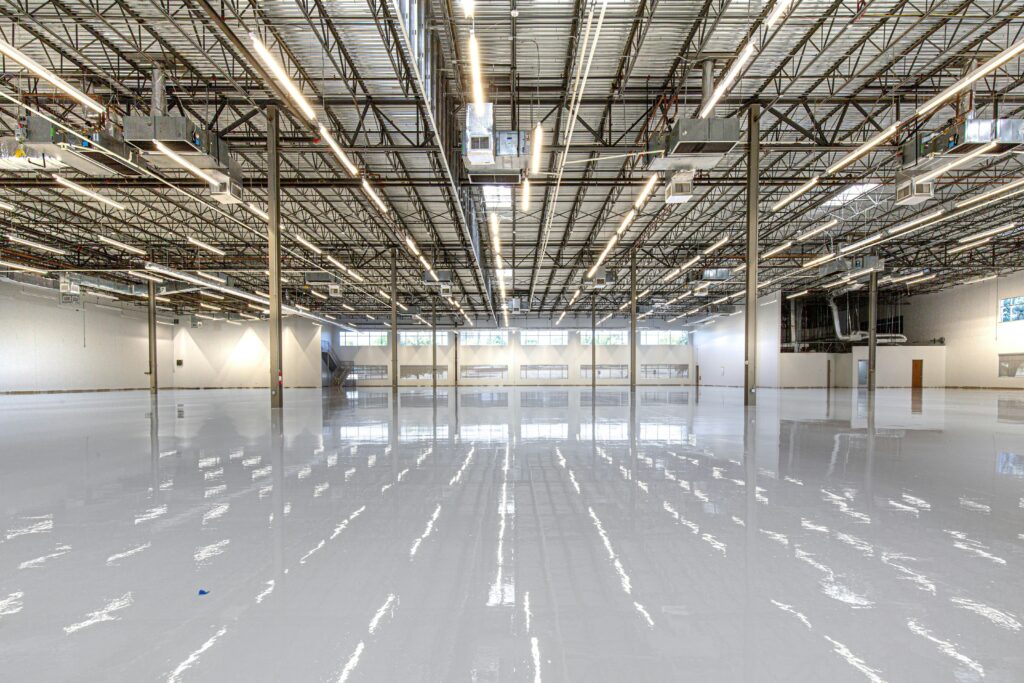
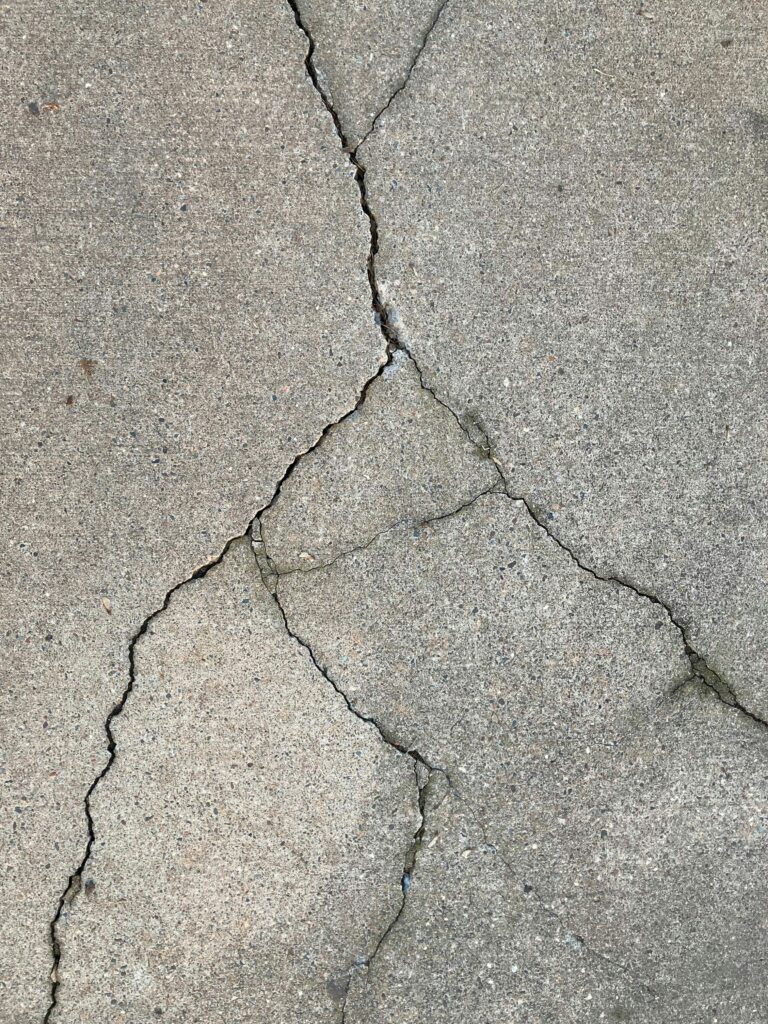
Spalling (and lighter surface scaling) is the wearing surface breaking away—pitting, flaking paste, exposed aggregate, and edge crumbling. Homeowners often assume the slab is finished; many Western WA driveways, patios, walks, and aprons still qualify for restore-first work when the host is stable (no rocking or major displacement) and damage is mostly surface-depth. Hire triggers for replace or hybrid work include deep deterioration into the structure, hollow or rocking panels, a failed base, or active heave and settlement. Competitor guides invent depth cutoffs, air-entrainment percentages, and “repair life” year bands—treat those as general industry guidance, not Olsen warranties. Olsen does not publish one-size depth cutoffs, $/sq ft, or lifespan guarantees online; candidacy is confirmed on assessment.
Long wet stretches, nights that bounce around freezing, and moisture sitting in pores and at edges/joints stress the paste more than Midwest-style deep snowpack alone. Shade, moss, and ponding keep surfaces saturated so the same wearing face freezes while wet. Aggressive rock salt and chloride ice melts can accelerate the same failure—see Olsen’s ice-melt / winter care guidance for deicer habits.
Standing water plus freeze stresses the same spots every season. Open joints feed water into the base. Before you coat over a ponding apron or driveway low, fix flow—required companion: fix drainage before resurfacing.
Small, shallow spalls on otherwise sound concrete may fit targeted repair after removing loose material. We do not publish DIY bag recipes, mix ratios, or cure charts. If you are stacking weekend bags on a growing field of flakes, pause and read our DIY vs pro concrete repair checklist.
Scaled or tired wearing surface across a driveway or patio field is a classic overlay candidate when the slab still sits true and the base is not washing out. Learn what a bonded overlay is on concrete overlays, driveway-specific candidacy on driveway overlay, and patio paths on patio concrete restoration. Mechanical profile matters for bond—see grind vs shotblast overlay prep; product system and thickness stay on assessment. Selling a pretty coat over a rocking or ponding host is the expensive choice.
Rocking or hollow panels, deep spalls into structure, failed subgrade, or repeated failed surface coats usually mean section replace or tear-out—not another thin coat. For the restore-vs-replace decision, see overlay vs replacement. Hybrid scope is common: replace failed panels and restore the sound remainder when assessment supports it. Garage threshold aprons with water dumping into the door are a different decision—see garage apron overlay vs replace.
After a sound repair or overlay, choose a sealer family that matches outdoor PNW exposure—see penetrating vs acrylic concrete sealer. Traction-first winter habits belong on the ice-melt winter care page. Sealer does not fix rocking panels, deep failed paste, or chronic ponding—diagnose first, then match aftercare when candidacy passes.
This guide covers flaking, scaling, and spalling after wet PNW winters, and how to choose between patch, overlay, and replace. Related guides: ice-melt winter care (deicer habits), overlays (the restore system when the slab qualifies), and DIY vs pro (weekend repair vs hiring out for cracks and small chips—not widespread scaling).
A complimentary phone and photo review is the fastest honest restore-vs-replace read. Send:
Call (425) 215-2560 or start from olsenconcrete.com.
Olsen starts with a complimentary phone/photo review. If a site visit is needed, we’ll schedule a free on-site assessment. You leave with a clear patch / overlay / drainage-first / section-replace recommend—including “this is still an overlay candidate” when it is, and “stop coating; replace this panel” when it is not. Licensed, bonded, and insured. Serving King County, Skagit County, and Snohomish County from a Lake Stevens service-area base. Hours: Mon–Sat 7:00 AM–6:00 PM. Call (425) 215-2560.
More candidacy answers live on our concrete repair FAQ.
Related resources:
Spalling (and lighter surface scaling) is the wearing surface breaking away—flaking paste, pitting, exposed aggregate, and edge crumbling. In Western Washington it is driven more by moisture plus freeze–thaw than by Midwest deep-freeze snowpack: wet slabs, shaded mossy pads, ponding, and repeated freeze nights stress the paste. Aggressive rock salt / chloride ice melts can accelerate the same failure. Drainage and open joints that feed water make the same spots worse every season. Olsen does not publish cycle counts or soil ratings online—assessment starts from what you see after winter plus how water sits on the slab. Call (425) 215-2560 for a complimentary phone/photo review.
Often you can still restore when damage is mostly surface-depth and the slab is sound and stable (no rocking panels, major vertical offset, or failed base). Localized shallow spalls may fit targeted repair; widespread surface wear is a classic candidate for a bonded overlay after proper prep—see concrete overlays. Deep deterioration, hollow/peeling prior overlays, or movement usually means section replace or tear-out—not another thin coat. Treat competitor depth cutoffs and “10–20 year repair life” claims as general guidance, not Olsen warranties. A free on-site assessment confirms candidacy. Lake Stevens–based; King, Snohomish & Skagit. Hours Mon–Sat 7:00 AM–6:00 PM.
Yes—aggressive ice melts can accelerate scaling by helping water stress the surface through freeze–thaw. Prefer clearing plus sand/grit for traction when safety allows (see ice-melt winter care). Sealing can help limit future water entry on a sound surface, but it does not fix already-failed paste, rocking panels, or chronic ponding—diagnose first, then match sealer family after repair/overlay when candidacy passes (penetrating vs acrylic). Start with photos: (425) 215-2560.
Localized shallow spalls on a stable slab may fit targeted repair. Widespread surface wear on a true-sitting host is often an overlay path. Rocking, deep structural loss, failed base, or repeated failed coats usually need section replace or hybrid work. Confirm on assessment—not from a photo alone when movement is suspected. Call (425) 215-2560.
Send photos for a complimentary phone review. If a site visit is needed, we’ll schedule a free on-site assessment. Serving King, Snohomish, and Skagit from Lake Stevens. Call (425) 215-2560 (Mon–Sat 7:00 AM–6:00 PM).
Send flaking, ponding, and slab photos for a complimentary phone review. If a site visit is needed, we’ll schedule a free on-site assessment. Hours: Mon–Sat 7:00 AM–6:00 PM.
Or call (425) 215-2560. Licensed, bonded & insured · Lake Stevens service-area base · King, Snohomish & Skagit.