
Yes—with dry windows and protection. How to schedule overlays and pours in Seattle’s wet season (not the same as drive-on cure timing).
Proudly serving King, Snohomish & Skagit County, WA
Western Washington winters are rain-first, freeze-second. Homeowners and light-commercial buyers in King, Snohomish, and Skagit often wonder whether to book an overlay or pour before the holidays—or wait for spring. Short answer: yes, wet-season work can happen when crews time dry windows, protect fresh surfaces, and refuse to place onto saturated or freezing hosts. Cosmetic-only jobs can honestly wait. This page is install-weather scheduling—distinct from post-install return-to-service on when can I drive on a concrete overlay. We don’t post one-size temperature charts, blanket-day counts, or per-square-foot prices.
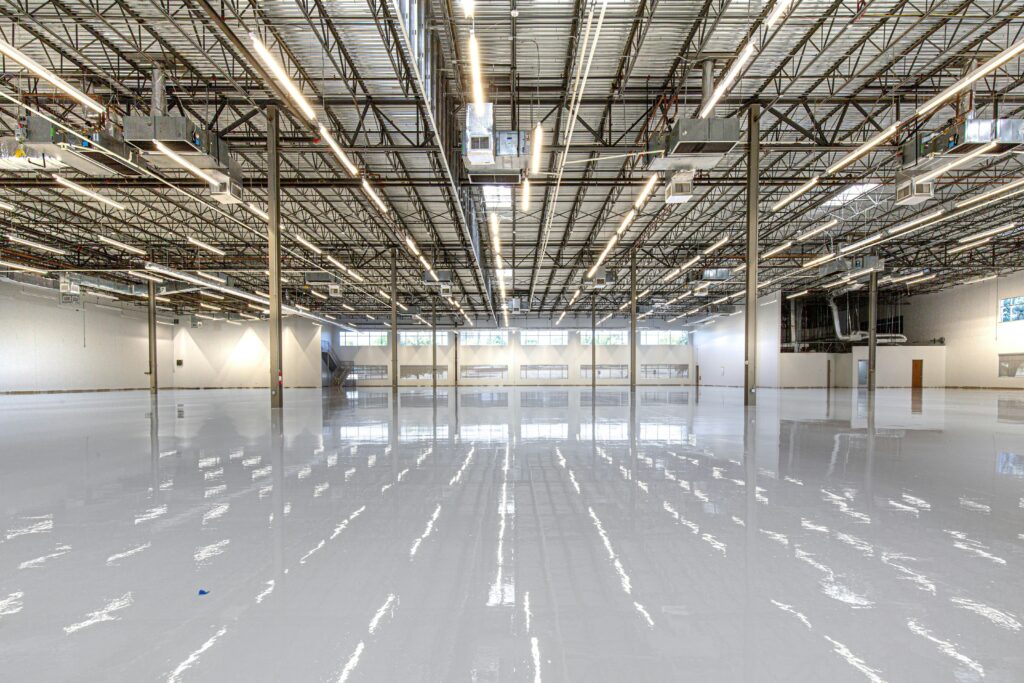
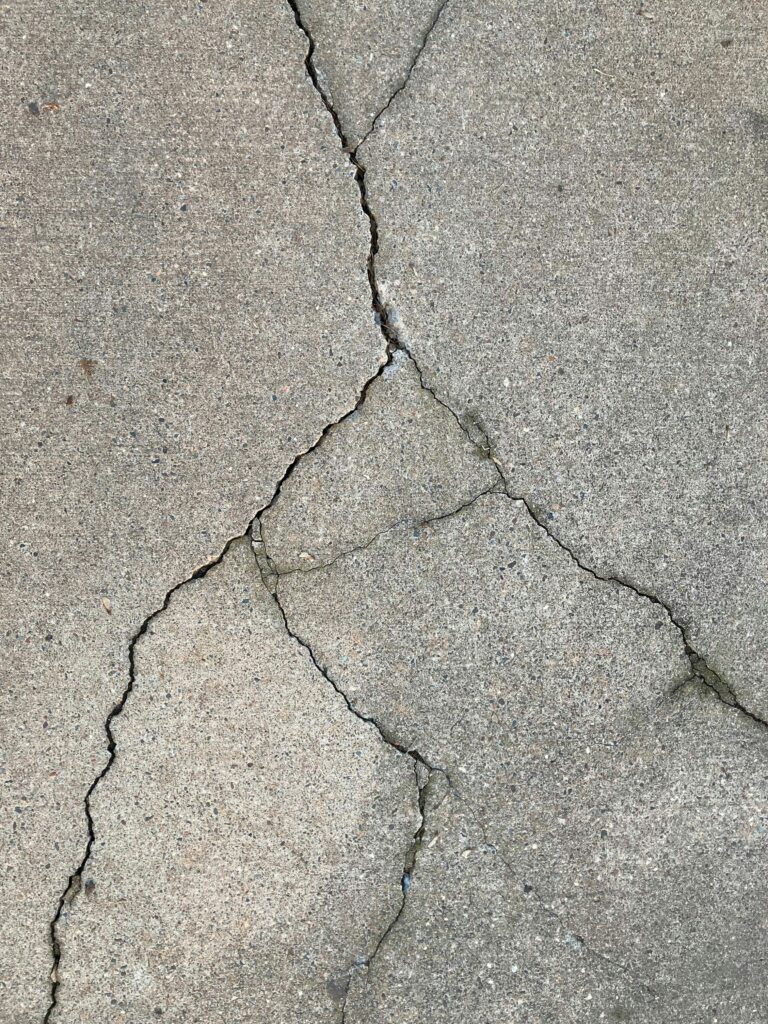
Maritime winters make rain during placement and finishing the headline risk. Work proceeds when dry windows and protection plans fit the scope. Purely cosmetic upgrades can wait for drier months. Urgent restore or access problems may be good wet-season candidates with forecast flexibility. Olsen confirms timing on a complimentary phone/photo review and a free on-site assessment.
Rain during placement and finishing can dilute surface paste, weaken the finish, and raise later scaling risk—treat that as established industry education, not an Olsen chemistry recipe. After the surface has set and is protected, moisture can support curing. The hard line is the finishing window—not “any rain anytime ruins concrete forever.”
Competitor guides publish temperature thresholds, blanket days, and staged strength calendars. Treat those as general planning guidance. Olsen confirms the project-specific weather and protection plan rather than publishing a universal chart.
Bonded overlays need a sound, prepared, dry-enough host. Standing water or saturated cream is a stop sign. Prep and bond quality still matter in winter—see grind vs shotblast prep and acid etching vs grinding. Protection after place still required; for walk → drive → heavy timing, see the drive-on cure page.
Subgrade must not be frozen or waterlogged. Section replace next to an overlay may share the same weather-window discipline. Restore-vs-replace honesty for the host: overlay vs replacement. Driveway and overlay planning: driveway overlay and concrete overlays.
Now: safety or access failures, urgent restore, smaller scopes that protect quickly, firm deadlines with a real dry window and backup parking plan. Wait: purely cosmetic, large exposed pours hard to cover, decorative perfection when weather cooperation is thin.
Chronic ponding is a drainage problem first—fix water with or before resurfacing: fix drainage before resurfacing. Decorative stamp color restores follow a separate ladder: faded stamped concrete restore.
Forecast watching and willingness to shift a day. Temporary covers and plastic. Insulating blankets when cold nights threaten early-age concrete. Mix and accelerator decisions belong to the contractor and batch plant—no Olsen chemistry recipes online. Olsen doesn’t publish °F tables or blanket-day counts; the plan is set for your project.
Wet-season weather decides whether to book and place the work. Drive-on timing after placement is a separate question: When can I drive on a concrete overlay? (walk → drive → heavy after place). Once in service through first winters: ice melt and overlay winter care. Outdoor sealer family after color or overlay work: penetrating vs acrylic sealer.
Send surface and ponding photos, access and parking backup for weather slips, and deadline constraints. Call (425) 215-2560 or start from olsenconcrete.com.
Olsen starts with a complimentary phone/photo review. Forecast flexibility is part of the product conversation. If a site visit is needed, we’ll schedule a free on-site assessment. Licensed, bonded, and insured. Serving King County, Skagit County, and Snohomish County. Hours: Mon–Sat 7:00 AM–6:00 PM. More process answers: concrete repair FAQ.
Useful planning starts with scope, exposure, coverability, and how flexible your access is—not made-up online “pour only above X°F” tables. A small protected restore can fit a dry window that a large decorative pour cannot. Forecast flexibility is a quality signal, not flakiness. If ponding is already the main problem, fix drainage with the plan. Joint condition after wet seasons may also matter—see driveway joint repair and resealing when open joints are part of the failure story.
Yes—with conditions. Pacific Northwest winters are wet more than deeply frozen, so the main risk is rain during placement and finishing, which can weaken the surface paste. Crews that work year-round time dry weather windows, protect fresh concrete, and avoid placing onto saturated or freezing hosts. Bonded overlays also need a properly prepared, dry-enough existing slab—standing water is a stop sign. Purely cosmetic projects can wait for drier months; urgent restores may proceed with a protection plan. Olsen confirms timing on assessment. Call (425) 215-2560 (Mon–Sat 7:00 AM–6:00 PM). Serving King, Snohomish, and Skagit.
Not if it is placed and protected correctly. Weakness usually comes from uncontrolled conditions—rain during finishing or freeze damage while concrete is still early-age—not from the calendar month itself. Competitor and regional guides discuss blankets, mix adjustments, and dry windows as planning context; Olsen confirms the project-specific protection plan rather than publishing a universal °F chart. After the work is placed, return-to-service timing is a separate question—see Olsen’s drive-on cure guidance.
If the project is cosmetic and flexible, drier months often mean fewer weather delays. If the slab is a safety or access problem now, wet-season work can be the right call with forecast flexibility and protection. Fix chronic ponding before or with resurfacing. Start with photos and a complimentary phone/photo review, then a free on-site assessment if a visit is needed. Call (425) 215-2560.

Send surface and ponding photos plus deadline constraints. Complimentary phone/photo review; free on-site assessment. Hours: Mon–Sat 7:00 AM–6:00 PM.
Or call (425) 215-2560. Licensed · Bonded · Insured.