
Acid etch is a common DIY tip—and a common warranty problem. Why mechanical grinding is the safer prep before overlays and coatings in Western WA.
Proudly serving King, Snohomish & Skagit County, WA
Hardware-store etch kits and “acid etch before epoxy” videos make chemical prep look like the cheap path. For bonded overlays and modern coatings in King, Snohomish, and Skagit, it is often the warranty-risk path. This page compares acid etching vs diamond grinding in plain English—warranty and bond honesty first—without a DIY acid recipe and without a one-size price per square foot or CSP charts. Related: grind vs shotblast.
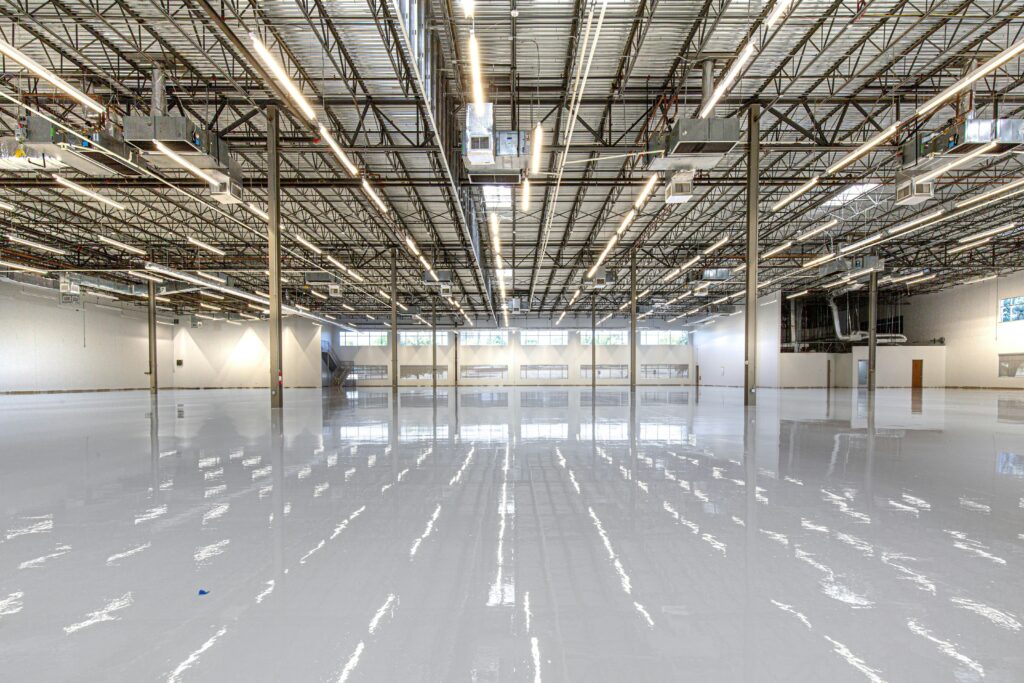
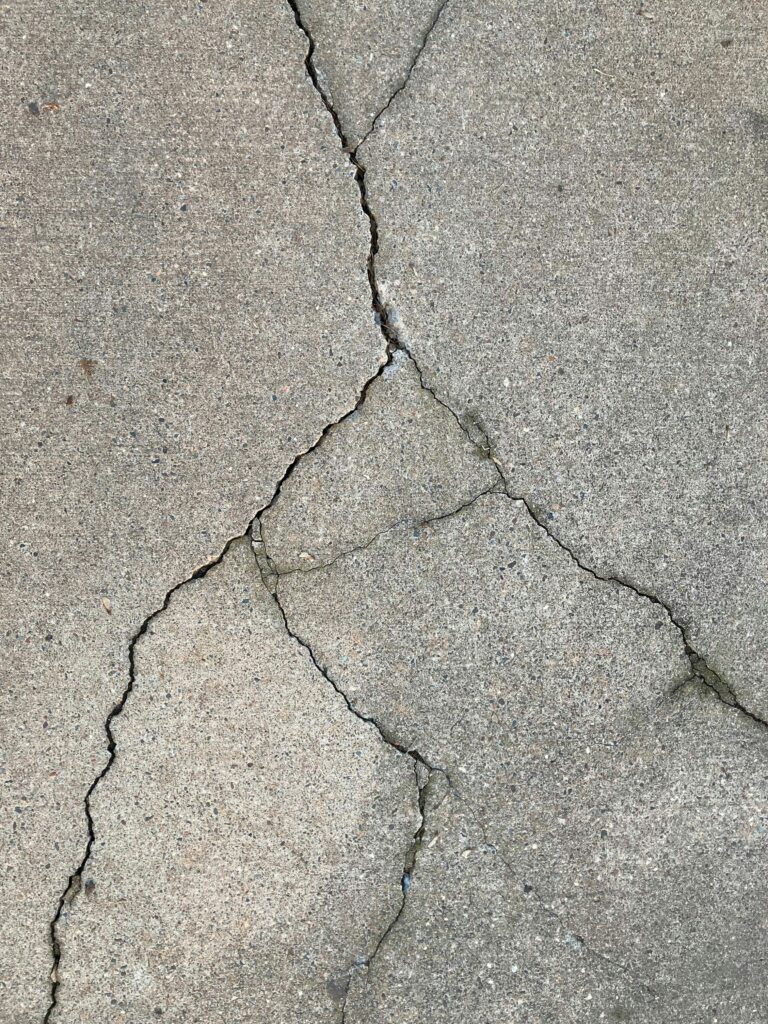
Bonded systems need a clean, sound, properly profiled surface. Diamond grinding (mechanical prep) is the usual warranty-safe hire path. Acid etching is a legacy chemical roughening method that often leaves an inconsistent, shallow profile and residual salts—and it does not reliably remove sealers, curing compounds, or oily contamination. Shotblasting is also a mechanical method; our grind vs shotblast overlay prep guide explains when crews blast the open floor and grind the edges.
Olsen does not treat etch as the default prep for bonded overlays and coatings. Method is confirmed on a complimentary phone/photo review and a free on-site assessment.
Acid etching chemically roughens bare concrete and is sold as DIY-friendly. Hardware-store phosphoric kits and older muriatic practices show up in videos and competitor DIY compares. Hazards, neutralize/rinse discipline, and disposal matter—this page will not publish a step-by-step etch recipe. Competitor pages still present etch as “easier for DIY.” Acknowledge the marketing; do not endorse it for bonded overlay or epoxy-style warranty work in Western Washington.
Diamond tooling removes weak cream and opens a more consistent profile. It also removes many films and contaminants etch cannot touch. Dust control and professional equipment are part of why hiring beats weekend rental for warranty-sensitive work. Exact profile targets belong to the product’s technical data sheet—not a blog chart published.
Garage shoppers comparing film coatings vs cementitious overlays should also read garage floor overlay vs epoxy. Outdoor overlay planning starts at concrete overlays and driveway overlay.
Results are often shallow and inconsistent. Industry prep guides commonly associate etch with a minimal profile compared with mechanical methods—that is general industry language; Olsen does not publish CSP numbers. Residual salts after incomplete rinse or neutralize raise blister and delamination risk. Rinse water introduces moisture; the slab must fully dry before coating. Etch does not reliably remove curing compounds, sealers, or oily contamination. Dense power-troweled slabs are especially poor etch candidates.
Follow the product’s written prep. Many modern epoxy and overlay systems call for mechanical methods to a stated profile. Quote the idea—not made-up Olsen CSP targets or competitor $/sq ft FAQ ranges.
To choose the mechanical method (grind, shotblast, or both) for your coating system and site, see our guide to grind vs shotblast overlay prep. Read both if you are comparing bids that skip grinding.
If a prior coating already peeled, do not recoat on hope—see failed / delaminating overlay repair. Restore-vs-replace honesty for the host slab: overlay vs replacement.
Ask which manufacturer technical data sheet allows etch for this system. Ask about salt rinse, dry-down, and warranty paperwork. Send photos to Olsen for a second opinion before coating day. A low bid that skips mechanical prep is a common way to buy a peeling floor later.
Send garage vs exterior context, prior coatings, oil stains, and shiny troweled cream close-ups. Note whether a bid already assumes DIY etch. Call (425) 215-2560 or start from olsenconcrete.com.
Olsen starts with a complimentary phone/photo review. If a site visit is needed, we’ll schedule a free on-site assessment. Licensed, bonded, and insured. Serving King County, Skagit County, and Snohomish County. Hours: Mon–Sat 7:00 AM–6:00 PM.
Related education: faded stamped concrete restore, wet-season overlay scheduling, outdoor sealer family at penetrating vs acrylic sealer, and concrete repair FAQ.
Etch-vs-grind is a prep decision inside a larger restore conversation. A sound slab with the right mechanical prep can support overlay or coating; a rocking, oil-soaked, or structurally cracked host needs repair or replace thinking first. Olsen’s hire path stays restore-first: confirm the host, confirm manufacturer prep, then place the system. Skipping grind to save a day of prep is how peeling floors get scheduled.
Usually no—not if you care about manufacturer warranties and long-term bond. Acid etching chemically roughens bare concrete, but results are often shallow and inconsistent, can leave residual salts after rinsing, and may not remove sealers, curing compounds, or oily contamination. Most modern epoxy and overlay systems expect mechanical preparation such as diamond grinding (and sometimes shotblasting). Treat hardware-store etch kits as a legacy DIY idea, not the default for bonded work in Western Washington. Olsen confirms prep method on assessment. Call (425) 215-2560 for a complimentary phone/photo review, then a free on-site assessment if a visit is needed.
Warranties typically require a clean, sound surface prepared to the manufacturer’s written profile. Diamond grinding creates a more controlled, predictable profile and removes weak cream and many surface films. Industry prep guides and many technical data sheets favor mechanical methods over acid etch for that reason. Exact profile targets belong to the product TDS—not a blog chart. Ask what prep your system requires before you accept an etch-only bid: (425) 215-2560.
You can buy etch products, but “saving money” on prep is a common way to buy a peeling floor later. Etch also involves chemical safety, thorough neutralize/rinse, and full dry-down—steps easy to get wrong. For bonded overlays and epoxy-style coatings in King, Snohomish, and Skagit, plan on professional mechanical prep. Send photos for Olsen’s review before coating day: (425) 215-2560 (Mon–Sat 7:00 AM–6:00 PM).
Send garage or exterior photos before coating day. Complimentary phone/photo review; free on-site assessment. Hours: Mon–Sat 7:00 AM–6:00 PM.
Or call (425) 215-2560. Licensed · Bonded · Insured.