
Self-leveling raises lows; grinding removes highs. Honest Seattle-area guide before garage overlay or coating. Photos + free assessment.
Proudly serving King, Snohomish & Skagit County, WA
Uneven garage and basement slabs kill overlays, coatings, polish, and finish flooring when the wrong flatness method is chosen. Olsen helps King, Snohomish, and Skagit homeowners with a plain-language self-leveling vs grinding concrete guide for Seattle-area indoor and garage floors: what adds vs what removes, when both, when neither, the PNW moisture caveat, and how photos plus a free assessment get an honest plan—without a fake Olsen thickness or $/sq ft chart. Call (425) 215-2560.
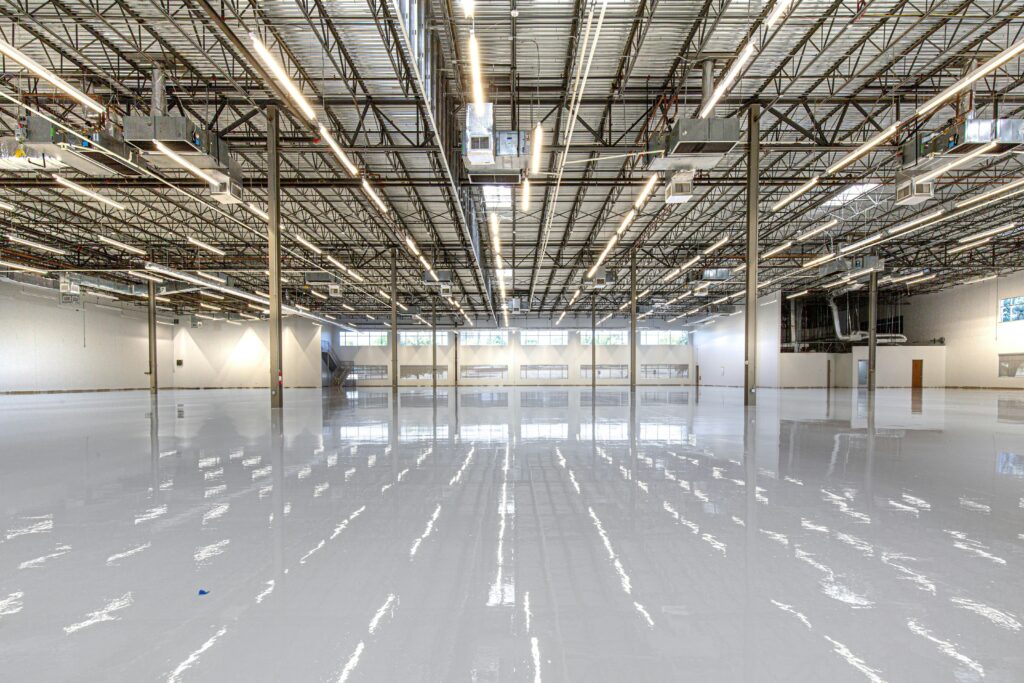
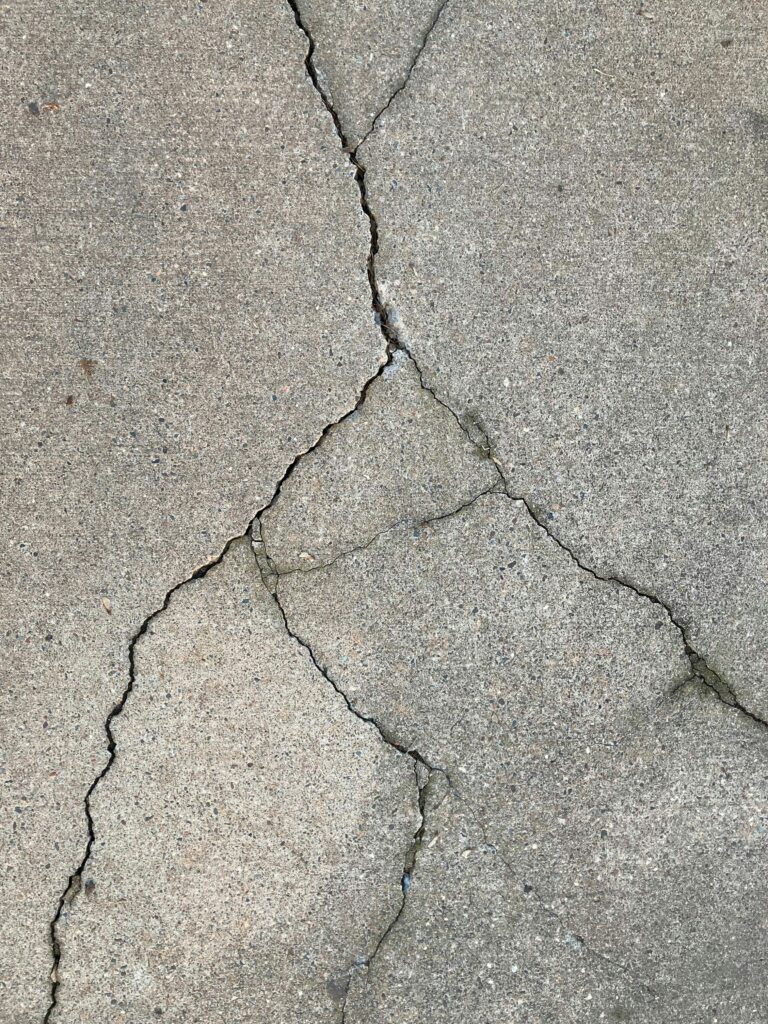
Self-leveling underlayment (SLU) is a cementitious pour that adds material and seeks a flatter plane. Diamond grinding removes high spots, ridges, trowel marks, and many old films. The wrong method wastes money: grinding cannot fill a dish, and SLU cannot delete a crown without awkwardly burying adjacent highs. Competitor guides publish thickness and flatness bands (and bid-line cost compares)—treat those as general industry guidance, not Olsen’s online spec card. Start with a complimentary phone/photo review, then a free on-site assessment if a visit is needed. Call (425) 215-2560.
High spots, ridges, adhesives/mastics, and thin failed films usually belong in the grind (or broader mechanical-prep) family before finish. That is a flatness / material-removal call. Bond-profile method choice—grind vs shotblast for adhesion—is a different decision: see grind vs shotblast overlay prep.
Door clearances, transitions, stair risers, and some appliance/threshold constraints can rule out adding thickness. Polish and densified finish paths also start in the grind family—see polished concrete vs epoxy.
Wide low areas and slopes that fail finish-flooring or overlay flatness needs often need material added. Industry “~1/4 in 10 ft” style rules of thumb show up in competitor compares—treat them as general planning guidance only; Olsen confirms flatness candidacy on assessment.
LVP, tile, and some overlay systems want a flatter plane than a hand-troweled old basement offers. SLU is a prep-layer decision—it still needs a sound, clean, primed host and often mechanical prep first. For the finish-system choice after the host is a candidate, see garage floor overlay vs epoxy and the concrete overlays guide.
Many uneven Seattle-area garage and basement slabs need both: grind highs first, then fill lows. Pouring SLU over untreated ridges telegraphs highs or wastes material. Field practice often mixes mechanical prep with underlayment; we do not publish an “always two-pass” Olsen SOP or bag-count chart online.
Flatness products do not fix structural settlement. Rocking panels, major vertical offset, or a failed base need lift/replace thinking—not underlayment theater. See overlay vs replacement and assessment honesty. Exterior mudjack / polyurethane lift is a different “level then overlay” choice.
PNW on-grade garage and basement slabs: screen moisture before locking vapor under coatings or some dense systems. See also: moisture vapor test before overlay. If a peel already happened, see failed delaminating overlay repair.
If you are stacking weekend bags of underlayment on a questionable host, pause at DIY vs pro concrete repair. Related: Grind vs shotblast · Acid etching vs grinding · Garage overlay vs epoxy.
A complimentary phone and photo review is the fastest honest flatness read. Send:
Optional: a straightedge or marble-roll video if you already have one; we do not publish laser-scan claims. Olsen starts with that review. If a site visit is needed, we’ll schedule a free on-site assessment. You leave with grind / SLU / both / don’t-coat-yet honesty—not a fake thickness chart. Licensed, bonded, and insured. Serving King County, Skagit County, and Snohomish County from a Lake Stevens service-area base. Hours: Mon–Sat 7:00 AM–6:00 PM. Call (425) 215-2560 or start from olsenconcrete.com. More candidacy answers also live on our concrete repair FAQ.
Related resources:
More prep and candidacy answers live on our concrete repair FAQ.
Self-leveling underlayment (SLU) adds material—a cementitious pour that raises low areas toward a flatter plane. Diamond grinding removes material—it lowers high spots, ridges, and many old films. SLU cannot fix a problem that needs material removed; grinding cannot fill a dish or major slope by itself. Many uneven Seattle-area garage and basement slabs need grind first, then SLU, or a different path entirely if the slab is rocking, settled, or too wet for the planned finish. Olsen Concrete confirms method on assessment and does not publish one-size thickness or $/sq ft charts online. Call (425) 215-2560 for a complimentary phone/photo review, then a free on-site assessment if a visit is needed. Lake Stevens–based; serving King, Snohomish & Skagit. Hours Mon–Sat 7:00 AM–6:00 PM.
Usually no. Grinding lowers highs; it does not raise lows. Broad dishes and slopes typically need self-leveling underlayment (often after mechanical prep), a combined grind-then-SLU sequence, or—if the slab is structurally settled—a lift/replace conversation instead of underlayment theater. Confirm with photos and assessment: (425) 215-2560.
Sometimes yes. Localized highs plus broad lows often want grind first, then SLU. Height limits at doors can rule out raising the floor; polish paths lean grind-family; a wet or rocking host may need moisture screening or structural honesty first—see moisture vapor test before overlay and overlay vs replacement. Method is confirmed on assessment, not from a one-line internet rule.
Often yes for indoor/garage slabs—especially on-grade floors in Western Washington. Moisture vapor can lift impermeable finishes even after the floor looks “flat.” See Olsen’s moisture-vapor screening guide, then confirm candidacy on assessment. (425) 215-2560.
Because published unit prices and thickness bands skip job-specific highs/lows, door clearances, moisture, and whether the slab is even a flatness candidate. A neat chart can push homeowners into the wrong bag pour—or scare them off a sound grind-only path. Send photos for a complimentary review, then schedule the free on-site assessment for a real plan. (425) 215-2560.
Wide slab shots, close-ups of highs/lows/ridges, door/transition clearances, prior coatings or peel, known moisture/damp history, and your goal (overlay vs coating vs polish vs finish flooring). Complimentary phone/photo review first; free on-site assessment. Call (425) 215-2560 (Mon–Sat 7:00 AM–6:00 PM).
Send uneven slab photos for a complimentary phone review. If a site visit is needed, we’ll schedule a free on-site assessment. Hours: Mon–Sat 7:00 AM–6:00 PM.
Or call (425) 215-2560. Licensed, bonded & insured · Lake Stevens service-area base · King, Snohomish & Skagit.