
Pre-job moisture vapor screening before garage overlay or coating in Western WA—honest candidacy, not a fake RH% rate card. Photos + free assessment.
Proudly serving King, Snohomish & Skagit County, WA
Pretty garage floors fail quietly from below when vapor is trapped under an impermeable layer. Olsen helps King, Snohomish, and Skagit homeowners screen moisture vapor before garage overlay or coating—a plain-language pre-job decision for Seattle-area indoor and garage slabs: why it matters in the PNW, how it differs from exterior drainage, what “test then decide” means without a fake RH% chart, and how photos plus a free assessment get you an honest overlay vs coating vs wait/fix path. Call (425) 215-2560.
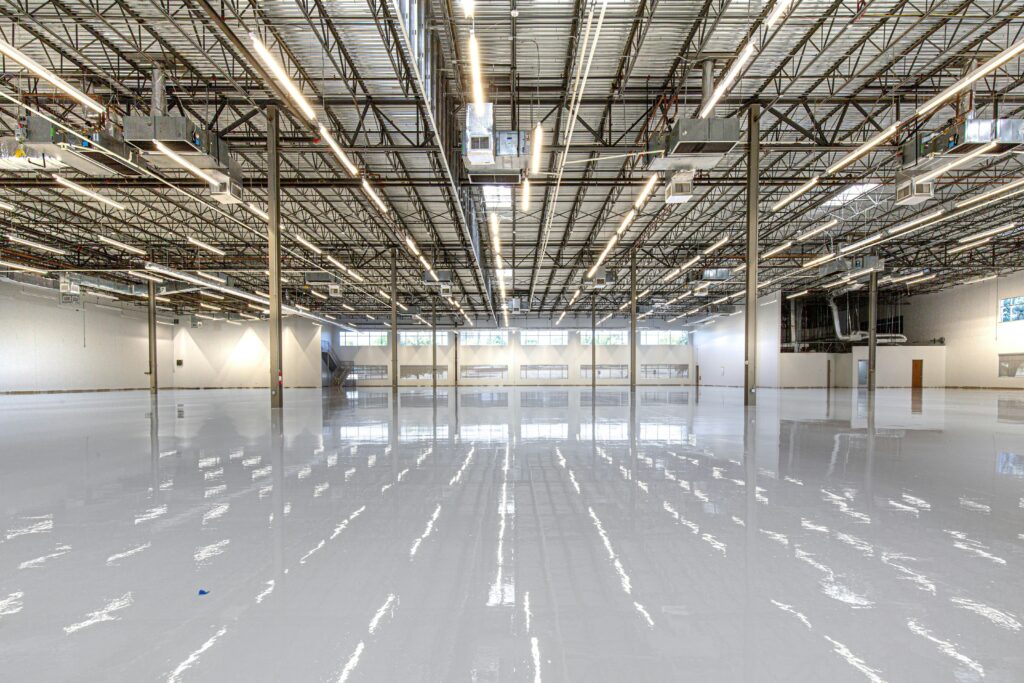
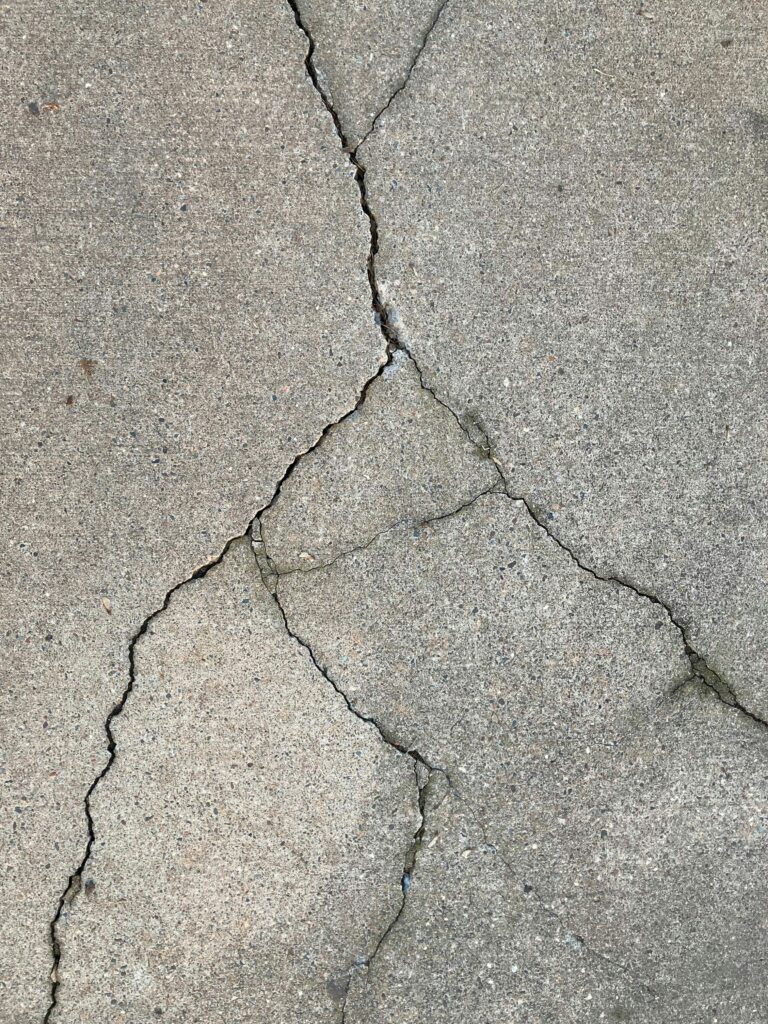
Overlay and coating jobs on garage, basement, and indoor slabs should include moisture candidacy screening—not “grind and hope.” Impermeable films and some dense toppings can trap vapor at the bond line, which is how floors blister, peel, and delaminate. Competitor and trade guides often publish RH% / MVER bands and ASTM method names—treat those as general industry guidance, not Olsen’s online pass/fail card. Olsen does not publish one-size RH% or MVER unit limits online; we confirm moisture candidacy and system choice on assessment. Start with a complimentary phone/photo review, then a free on-site assessment if a visit is needed. Call (425) 215-2560.
On-grade slabs can move moisture from soil and subgrade toward the surface. Indoor and garage slabs without effective under-slab vapor control—common on older Pacific Northwest stock—are higher risk (we do not publish build-year percentages). Sealing the top with a non-breathing film changes the physics: pressure finds the weak bond. That is why a beautiful one-day coat can lift weeks or seasons later.
Prior peeling or blistering coatings; white haze / efflorescence; damp spots; known drainage toward the garage; a new slab still drying; basement or below-grade contexts. Visual clues are flags for screening, not a substitute for assessment—and not a reason to guess meter readings from a photo alone.
Exterior ponding, downspouts, and edge washout belong on fix drainage before resurfacing. Through-slab vapor under a garage or indoor finish is this page. Sometimes both matter: perimeter water that keeps the subgrade wet can feed vapor drive—a source problem, not a “stronger primer” problem alone. Assessment separates “fix the flow” from “screen the slab before you coat.”
Plastic-sheet / visual damp checks, handheld meters, and formal in-slab RH or calcium-chloride MVER methods appear across trade and competitor guides (ASTM names as context). We do not publish which kit Olsen “always” uses or publish pass numbers as an online rate card. Timing honesty matters in Western WA: a dry-season-only snapshot can understate wet-season reality—without made-up month tables.
Source / drainage correction first when water is active. Compatible moisture-mitigation or vapor-control primer when the chosen system allows (industry practice as context—not a brand pitch as Olsen’s default). A different system choice, including breathable / cementitious overlay paths when candidacy fits. Delay / don’t coat yet—or a structural / replace path if the slab itself fails. The overlay-vs-coating decision still needs a screened slab: see garage floor overlay vs epoxy.
Neither path is structural repair for rocking, heaving, or a failed base. Moisture is a shared factor—see the decision page. For restore-first overlay candidacy broadly, see concrete overlays. If you are weighing a weekend kit against a hire, DIY vs pro concrete repair is the honesty check before another coat on a wet host.
A failed film or delaminating overlay after a rush coat is the aftermath—see failed delaminating overlay repair. Exterior apron / threshold issues are a different conversation: garage apron overlay vs replace.
A complimentary phone and photo review is the fastest honest start. Send:
Expect honesty—including “fix drainage / source first,” “mitigation needed,” or “not a coating candidate yet.” Call (425) 215-2560 or start from olsenconcrete.com. More candidacy answers also live on our concrete repair FAQ.
Related resources:
Olsen starts with a complimentary phone/photo review. If a site visit is needed, we’ll schedule a free on-site assessment. You leave with a moisture-aware overlay vs coating vs wait/fix recommend—not a scare pitch or a fake RH% chart. Licensed, bonded, and insured. Serving King County, Skagit County, and Snohomish County from a Lake Stevens service-area base. Hours: Mon–Sat 7:00 AM–6:00 PM. Call (425) 215-2560.
More prep and candidacy answers live on our concrete repair FAQ.
Usually yes for indoor and garage slabs—especially on-grade floors in the wet Pacific Northwest and older slabs with unknown under-slab vapor control. Moisture vapor moving through concrete can lift impermeable coatings and contribute to blistering or delamination when a non-breathing finish traps it. Industry guides often discuss relative-humidity probes and calcium-chloride vapor-emission tests and publish rough pass bands for specific coating systems; treat those as general guidance. Olsen Concrete does not publish one-size RH% or MVER limits online. We screen candidacy and confirm overlay vs coating vs wait/fix-drainage scope on assessment. Call (425) 215-2560 for a complimentary phone/photo review, then a free on-site assessment if a visit is needed. Lake Stevens–based; serving King, Snohomish & Skagit. Hours Mon–Sat 7:00 AM–6:00 PM.
Exterior drainage is water that ponds, runs to the slab edge, or washes the apron/drive—see fix drainage before resurfacing. Moisture vapor is water moving through the concrete from below or within the slab, which matters when you plan an impermeable garage/indoor finish. Sometimes both are present: perimeter water that keeps the subgrade wet can feed vapor drive. Assessment separates “fix the flow” from “screen the slab before you coat.”
Sometimes—after the failed film or delaminating overlay is removed, the host is sound, moisture candidacy is screened, and the cause (vapor, prep, drainage, wrong system) is addressed. Rushing another coat on the same wet or contaminated host is how redo becomes a habit. Aftermath framing: failed delaminating overlay repair. Confirm on assessment—(425) 215-2560.
Because published unit limits skip job-specific system choice, slab history, season, and whether active water intrusion must be fixed first. A neat chart can push homeowners into a cheap coat on a wet slab—or scare them off a sound candidate. Send photos for a complimentary review, then schedule the free on-site assessment for a real moisture-aware plan. (425) 215-2560.
Wide garage/indoor shots, close-ups of prior peel/blister/efflorescence, damp spots, perimeter drainage / downspouts near the slab, slab age/history if known, access notes, and your goal (overlay vs coating vs polish). Complimentary phone/photo review first; free on-site assessment. Call (425) 215-2560 (Mon–Sat 7:00 AM–6:00 PM).
Send garage / indoor slab photos for a complimentary phone review. If a site visit is needed, we’ll schedule a free on-site assessment. Hours: Mon–Sat 7:00 AM–6:00 PM.
Or call (425) 215-2560. Licensed, bonded & insured · Lake Stevens service-area base · King, Snohomish & Skagit.