
Restore-first backyard compost bin & tumbler pad overlay when the slab qualifies—drainage + leachate / wash-down candidacy check across King, Snohomish & Skagit. Photos + free assessment.
Proudly serving King, Snohomish & Skagit County, WA
Backyard compost-bin and tumbler pads take PNW rain, freeze–thaw, wash-down, organic staining, and point loads under bins and tumblers—then cracks, heaves, and ponding show up under the station. Homeowners across King, Snohomish & Skagit often land here after a “just pour a thicker pad from a compost blog” tip, a greenhouse grow brochure that felt wrong for a compost sit-pad, a shed/ADU CapEx page that oversold accessory living space, a cold-frame season-extender pitch, or a thin coat bid that ignored rocking under the tumbler. This is an honest restore-first guide to compost bin pad concrete Seattle / compost tumbler concrete pad WA for the outdoor pad under a backyard compost bin, tumbler, or compost station—when patch or overlay still fits, when section replace is the durable call, why this is not the same page as greenhouse grow slabs, chicken-coop housing pads, shed-ADU CapEx slabs, or cold-frame pads, why Olsen won’t publish compost-volume charts, forever-odor-proof warranties, leachate-proof forever claims, composting-system guarantees, or a rate card online—and how photos plus a free on-site assessment get a real plan. Call 425-215-2560.
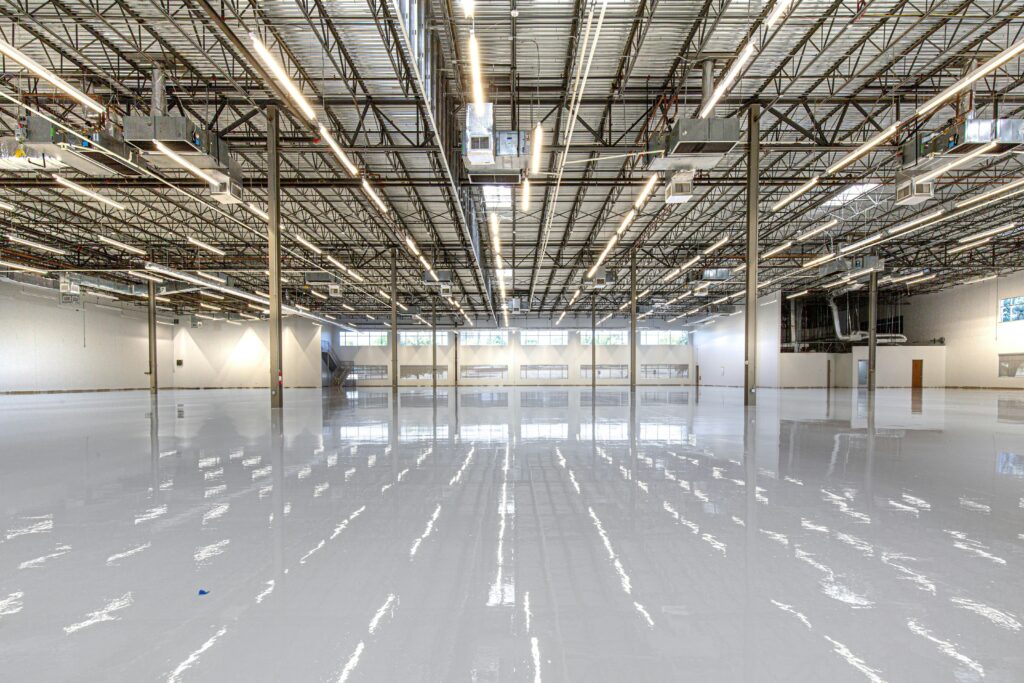
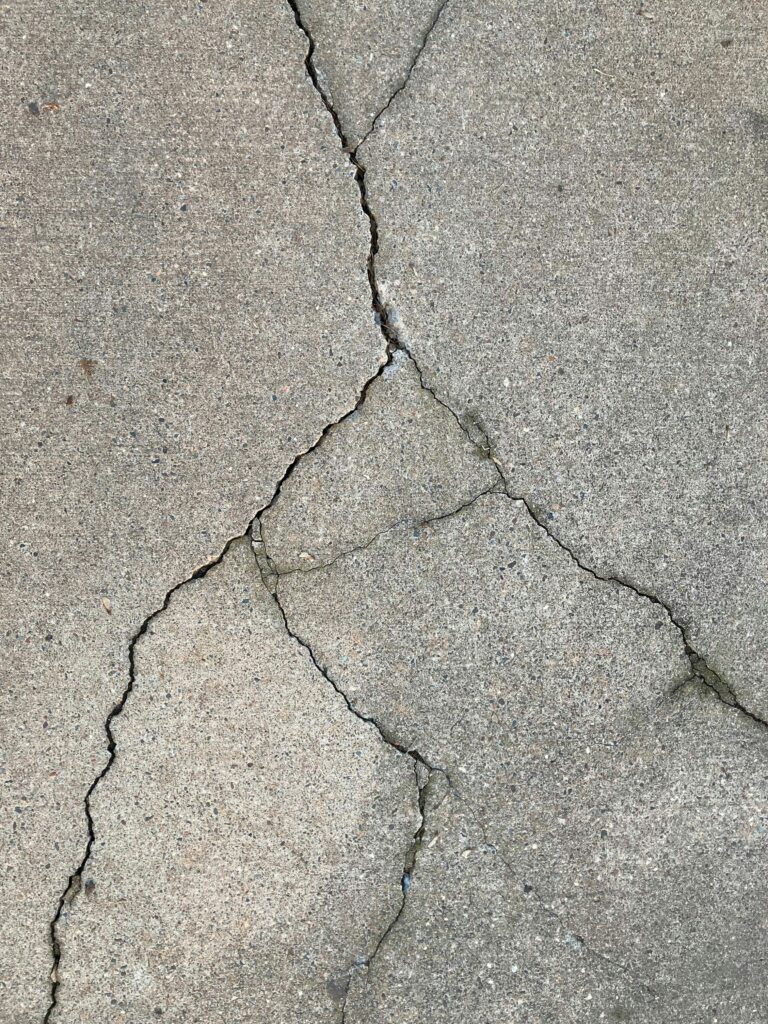
Compost bin / tumbler / station pad concrete here means a residential outdoor utility pad under composting equipment—backyard compost bin, tumbler, or three-bay compost station—not a greenhouse / potting horticulture slab, not a chicken-coop / poultry-housing pad, not a shed / workshop / studio / ADU CapEx slab, and not a cold-frame / season-extender horticulture pad. Surface wear, light scale, modest cracks, compost staining, or cosmetic weathering on a sound, stable, draining pad may allow patch, limited restore, or candidacy-gated overlay with outdoor-aware texture. Rocking panels, washed-out base, chronic ponding under the bin / tumbler edge, softened or heaved edges from standing leachate / wash-down, vertical displacement, or a host that cannot stay true and drained under planned bin/tumbler loads usually need section replace or a new pour—not a thin coat under wet organic drainage and point loads. Olsen scopes residential / light private-property exterior flatwork when access and candidacy allow—not compost-bin fabrication, tumbler assembly, three-bay carpentry, aeration plumbing, or municipal compost-system engineering as the primary trade. Start with a complimentary phone/photo review, then a free on-site assessment if a visit is needed. Call 425-215-2560 (Mon–Sat 7:00 AM–6:00 PM).
In scope: private residential backyard compost bin, tumbler, and three-bay compost-station pads across King, Snohomish & Skagit. That is the outdoor sit-pad under a composting station—often a side-yard or garden-edge amenity pad—not a living-room epoxy pitch, not an ADU CapEx brochure, not a greenhouse grow brochure, not a chicken-coop brochure, and not a cold-frame brochure.
See also: dumpster pad / enclosure slab (commercial trash—distinct), firewood rack pad concrete (wood storage—distinct), and patio concrete restoration—related outdoor pads, each a separate project. Related: greenhouse slab concrete overlay · chicken coop / poultry-run pad concrete · shed / ADU slab concrete overlay · cold-frame pad concrete.
Compost pad = bin/tumbler point loads + leachate/wash-down + drainage honesty under a composting station. Greenhouse = watering + condensation under grow structures. Chicken-coop = poultry-housing wash-down. Shed-ADU = accessory CapEx. Cold-frame = season-extender horticulture. CapEx restore-versus-replace hub: overlay vs replacement. System candidacy: concrete overlays.
Rain and freeze–thaw at edges, ponding at low spots under bins and tumblers, wash-down / leachate at the pad edge (a qualitative wear factor—not a miracle chemistry claim), point loads at bin feet / tumbler bases, open joints, and heaved edges after winters stress compost-station pads. Olsen talks about soundness, drainage, and candidacy—not made-up compost-volume charts, forever-odor-proof warranties, leachate-proof forever claims, thickness recipes, or composting-system guarantees online. Spalled edges and flaking: see concrete spalling repair Seattle. Ponding before any coat: see fix drainage before resurfacing.
Western Washington winters add freeze–thaw at exposed edges and wash-down splash paths. Wet seasons keep moisture on pads that already have open texture or settled bases under compost stations. Compost pads see organic staining and point loads at bin feet / tumbler bases—finish language stays qualitative (soundness / drainage / candidacy / access). None of that means Olsen publishes volume charts or forever-odor claims—assessment still decides whether this host can take a restore path.
Level, rocking panels, and ponding are concrete candidacy + drainage honesty topics. Overlay only when the host is sound after sounding and a drainage check. Another thin coat over a rocking or chronically ponding compost pad is usually the expensive path—especially when leachate / wash-down and freeze–thaw already opened the surface. Texture language stays qualitative (outdoor / wash-down-aware)—never made-up slip ratings, compost-volume charts, forever-odor-proof warranties, or leachate-proof forever claims.
Candidacy check in one line: surface wear on a stable, draining compost-station pad may still qualify; rocking, settlement, chronic ponding under the bin / tumbler edge, or a failed base usually need section replace or a new pour—not “forever-odor-proof compost pad” marketing. Olsen screens whether the pad can be restored; Olsen does not publish compost-volume charts, forever-odor-proof warranties, leachate-proof forever claims, or composting-system design online. If an overlay still fits, see concrete overlays. Decision framing when replace wins: overlay vs replacement.
The pad sits true; damage is localized; drains and sheet-flow still work; light scale, modest cracks, compost staining, or edge chips are correctable without full panel replace. Localized crack repair and edge rebuild can buy time when the rest of the slab sounds solid.
The pad is structurally sound; damage is mostly surface abrasion, light cracking, scale, cosmetic staining, or faded outdoor texture; candidacy is confirmed after sounding and a drainage check. Learn more: concrete overlays.
Rocking or hollow panels; vertical displacement; chronic ponding under the bin / tumbler edge; failed base under the slab; or a pad that cannot stay true and drained under planned compost-station loads. Coating a failed compost pad does not buy durability under wash-down and bin/tumbler point loads—or fix ponding where organics and water collect. Hybrid plans are common: replace the failed panels, then restore or overlay the sound remainder so the station stays usable without pretending the whole pad was a surface-only problem. Decision framing: overlay vs replacement.
Whether bins, tumblers, or three-bay sections can move affects phasing. Olsen does not publish compost-equipment-move packages or composting-system assembly online; assessment discusses realistic access for this site.
Ponding under a bin or tumbler edge feeds scale, soft-edge failure, and finish risk—see fix drainage before resurfacing. Olsen does not publish slope percentages online; assessment confirms what this pad needs. If water sits under the station after every wash-down or rain, fix the drainage story before debating finish options.
A complimentary phone and photo review is the fastest honest start for homeowners with backyard compost bins, tumblers, three-bay compost stations, or small private-property compost pads. Send:
Clear photos help Olsen screen compost-station restore-vs-replace before anyone schedules a visit. Call 425-215-2560 or start from olsenconcrete.com.
Cost drivers: host soundness, prep, drainage corrections, access, whether bins / tumblers must move, whether section replace is required, and finish choices—not a one-size price per square foot. DIY compost-pad thickness recipes, compost-volume charts, forever-odor-proof blogs, and aggregator $/sq ft bands you may see online are general industry guidance only—Olsen does not publish one-size unit prices, compost-volume charts, forever-odor-proof warranties, leachate-proof forever claims, thickness recipes, lifespan years, or composting-system guarantees online; candidacy and scope are confirmed on assessment. Send photos for a complimentary phone/photo review, then book a free on-site assessment. Call 425-215-2560.
Olsen starts with a complimentary phone/photo review. If a site visit is needed, we’ll schedule a free on-site assessment. Restore-first when the compost-station pad qualifies; overlay when candidacy allows; section replace / new pour when it does not; hybrid when only failed panels must go. Licensed, bonded, and insured. Serving King County, Skagit County, and Snohomish County from a Lake Stevens service-area base. Hours: Mon–Sat 7:00 AM–6:00 PM. Call 425-215-2560. More candidacy answers: concrete repair FAQ.
Compost bin / tumbler pad FAQs (more on our concrete repair FAQ):
Sometimes—only if the host pad is still structurally sound after sounding and a drainage check. Overlay is not the default for rocking, settled, or chronically ponding pads under compost-station loads. Assessment confirms candidacy. Call 425-215-2560.
No. Compost-pad work is utility flatwork under composting bins and tumblers. Greenhouse is horticulture wet grow on greenhouse slab concrete overlay. Chicken-coop is poultry housing on chicken coop / poultry-run pad concrete. Shed-ADU is accessory CapEx on shed / ADU slab concrete overlay. Cold-frame is season-extender horticulture on cold-frame pad concrete.
No. Olsen is a restore-first concrete contractor. We talk honestly about drainage, rocking panels, ponding, and whether the pad qualifies to restore—but we do not publish compost-volume charts, forever-odor-proof warranties, leachate-proof forever claims, or composting-system design as Olsen services online. Call 425-215-2560.
No. Olsen does not publish leachate-proof forever claims, forever-odor-proof warranties, or compost-volume charts online. Assessment discusses realistic restore paths—soundness, drainage, and candidacy—not miracle chemistry claims. Call 425-215-2560.
Wide and close-up photos of the pad, cracks, heaves, ponding, and bin/tumbler footprints; approximate size; whether bins / tumblers can move; access notes; and any HOA constraints. Complimentary phone/photo review first; free on-site assessment. Call 425-215-2560 (Mon–Sat 7:00 AM–6:00 PM).
Olsen Concrete (Lake Stevens) restores and overlays backyard compost bin / tumbler / compost-station pads across King, Snohomish & Skagit when the host concrete is sound. Surface wear on a stable, draining pad may allow patch, limited restore, or candidacy-gated overlay; rocking panels, chronic ponding under the bin or tumbler edge, or a failed base usually need section replace or a new pour. This is residential compost-station utility flatwork—not a greenhouse grow page, not a chicken-coop housing page, not a shed/ADU CapEx page, and not a cold-frame page. Send photos for a complimentary phone/photo review, then a free on-site assessment if a visit is needed. Call 425-215-2560 (Mon–Sat 7:00 AM–6:00 PM).

Send wide and close-up compost-bin or tumbler pad photos for a complimentary phone review. If a site visit is needed, we’ll schedule a free on-site assessment. Hours: Mon–Sat 7:00 AM–6:00 PM.
Or call 425-215-2560. Licensed · Bonded · Insured · Lake Stevens service-area base · King, Snohomish & Skagit.