
What a concrete microtopping is—and when a thin skim is enough vs a thicker bonded overlay across King, Snohomish & Skagit. Candidacy first. Photos + free assessment.
Proudly serving King, Snohomish & Skagit County, WA
Microtopping, skim coat, and thin overlay show up next to broom and stamp on decorative menus—but they are not the same build. Olsen helps King, Snohomish & Skagit homeowners (and some garage / covered-slab owners) with a candidacy-first concrete microtopping Seattle guide: what a microtopping is in plain English, when a thin skim can be enough, when a thicker bonded overlay (broom / stamp / standard resurfacing) is the honest call, and how this differs from stamped-overlay hire, broom-vs-stamp finish choice, self-leveling flatness, and faded-stamp restore—without made-up mil charts or $/sq ft. Call 425-215-2560.
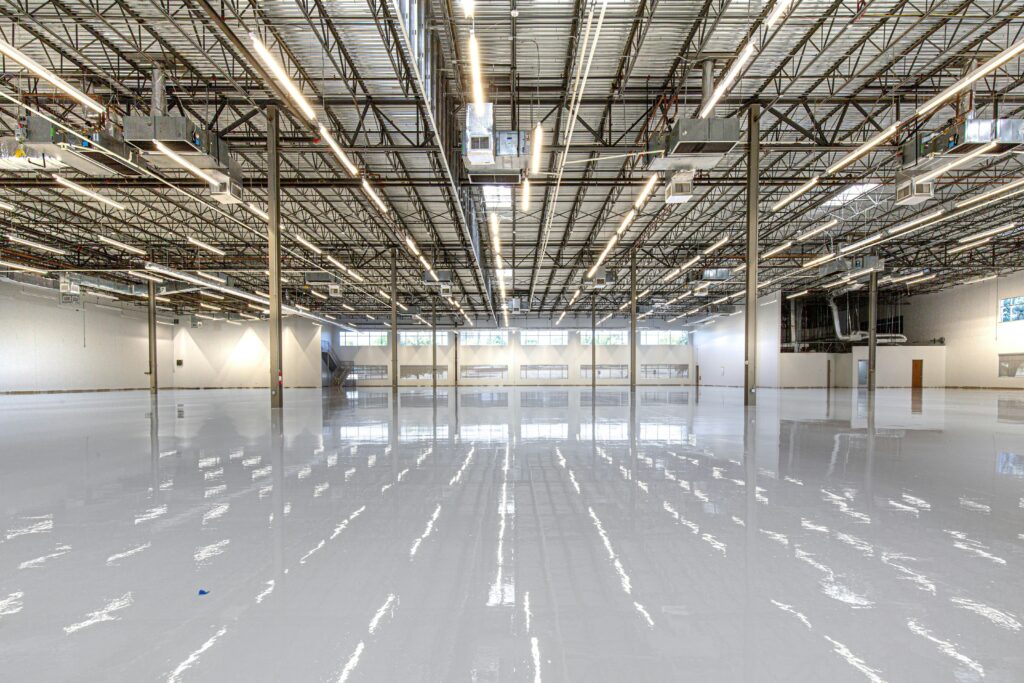
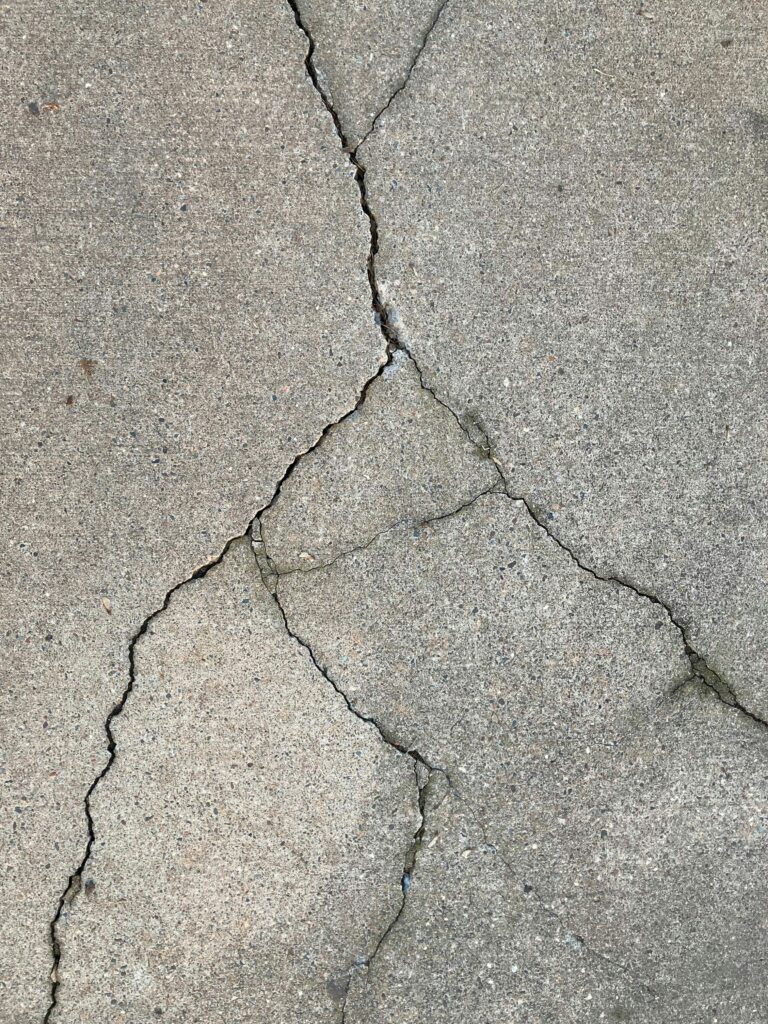
A concrete microtopping is typically an ultra-thin polymer-modified cementitious skim / wearing film applied over a prepared, sound host to refresh appearance—often discussed for indoor, garage, or covered slabs and smooth modern looks. A thicker bonded overlay adds more build; outdoors it often carries broom texture or decorative stamp when grip, tire traffic, or pattern is the real need. Neither is paint. Neither is a structural pour. Neither fixes rocking panels, settlement, chronic ponding, or a failed base. Start with a complimentary phone/photo review, then a free on-site assessment if a visit is needed. Call 425-215-2560 (Mon–Sat 7:00 AM–6:00 PM).
For overlay system fit, see concrete overlays. When structure already lost, see overlay vs replacement. Competitor microtopping pages invent thickness bands and lifespan intervals—treat those as general industry guidance only; Olsen does not republish mil cards or one-size unit prices online.
In plain English: a microtopping is an ultra-thin appearance skim meant to renew the look of a qualified slab—not a rebuild, not a coating-in-a-can myth, and not a cure for movement. Industry and decorative-shop pages often frame it for indoor / garage / covered exposure and smooth modern aesthetics. That framing is qualitative planning talk, not an Olsen thickness recipe or artisan catalog.
Olsen confirms host candidacy and finish-build on assessment. We do not publish Venetian-plaster showroom packages, pool-deck spray-knockdown menus, coat-count SOPs, or “skim forever” warranties. If a thin skim is not the honest fit, assessment says so—and routes you to a thicker overlay, flatness work, drainage fix, or replace conversation instead of brochure theater.
Microtopping is not self-leveling underlayment. SLU raises lows toward a flatter plane; grinding removes highs. That is a flatness-method choice—owned on self-leveling vs grinding concrete. Do not treat a thin appearance skim as a dish-filling pour. If the floor is uneven first, solve flatness (or structure) before debating skim vs thicker wearing overlay.
A thin skim / microtopping-style path can fit when:
Prep still matters. A thin film on contamination, laitance, or a moving crack is an expensive peel. Indoor / garage moisture can lift impermeable finishes even when the slab “looks fine”—see moisture vapor test before overlay when that caveat applies. Olsen does not publish MVT pass/fail numbers online; assessment decides screening.
Choose a thicker bonded overlay conversation when outdoor tire traffic, wet-weather grip, decorative stamp goals, or more wearing-surface build is the honest need—not when a decorative shop listed “microtopping” next to broom and stamp as if they were interchangeable coats.
Finish choice: after candidacy passes and you already know you want a restoring overlay, broom vs stamp is a separate finish-menu question on stamped vs broom concrete overlay.
Stamp hire: installing a decorative stamped overlay on an existing plain slab is the hire path on stamped concrete overlay Seattle.
Outdoor water that ponds before any coat: fix paths first via fix drainage before resurfacing. Driveways and patios have their own guides once the surface type is decided.
Rocking panels, settlement, washed-out base, chronic ponding, or a host that will not bond means neither skim nor thicker coat first. Selling “just skim it like the brochure” on a failing slab is the expensive path. Screen the host on the concrete overlays guide; when structure already won, use overlay vs replacement.
Ask before any finish-build menu: Does the slab sit true? Are cracks stable or actively moving? Is there hollow sound from a prior coating? Does water pond after rain (outdoors) or show damp history (indoors/garage)? Photos plus a phone review usually separate “skim vs thicker overlay” from “don’t coat yet.”
Indoor moisture caveat → moisture vapor test before overlay. Outdoor water paths → fix drainage before resurfacing. If a prior overlay already peeled, see failed delaminating overlay repair rather than stacking another thin film.
See also: concrete overlays, concrete resurfacing cost Seattle (general cost-FACTORS), and FAQ.
Cost drivers: prep, host condition, indoor vs outdoor exposure, finish goal (smooth skim vs broom vs stamp), access, moisture/drainage corrections, and whether section replace is required—not made-up $/sq ft. Competitor thickness bands and unit-price cards are general planning guidance only. Olsen does not publish microtopping $/sq ft, mil tables, coat-count SOPs, or lifespan years online. Send photos for a complimentary phone review, then book a free on-site assessment. Call 425-215-2560.
Complimentary phone/photo review is the fastest honest start. Send:
Call 425-215-2560 or start from contact. Hours: Mon–Sat 7:00 AM–6:00 PM. Lake Stevens service-area base.
Olsen starts with a complimentary phone/photo review. If a site visit is needed, we’ll schedule a free on-site assessment. You leave with skim vs thicker overlay vs flatness-first vs don’t-coat-yet honesty—not a fake mil chart. Licensed, bonded, and insured. Serving King, Skagit, and Snohomish Counties from Lake Stevens. Hours: Mon–Sat 7:00 AM–6:00 PM. Call 425-215-2560. More candidacy answers: concrete repair FAQ.
Concrete microtopping FAQs (more on our FAQ):
An ultra-thin polymer-modified cementitious skim applied over a prepared, sound slab to refresh appearance—often discussed for indoor, garage, or covered surfaces. It is not paint, not a structural rebuild, and not the same as self-leveling underlayment. Call 425-215-2560.
No. Microtopping is an appearance skim / thin wearing film on a qualifying host. Self-leveling underlayment raises low areas for flatness; grinding removes highs. Flatness decision: self-leveling vs grinding. Call 425-215-2560.
Sometimes a thin skim is discussed outdoors—but outdoor tire traffic, wet grip, and texture needs often favor a thicker bonded overlay (broom or stamp) instead. Assessment decides; Olsen does not publish outdoor mil performance cards online. Drainage first if water ponds: fix drainage before resurfacing. Call 425-215-2560.
A microtopping is a thin skim; a thicker build is a different system. For a new stamped surface, see stamped concrete overlay Seattle. For choosing between a broom and a stamped finish, see stamped vs broom. For existing stamped concrete that has washed out, see faded stamped concrete restore. Call 425-215-2560.
No. Cost and build depend on prep, host condition, exposure, finish goal, and access—confirmed on assessment. Competitor bands are general guidance only. Call 425-215-2560.
On-site review of host soundness, exposure, prep notes, and skim vs thicker overlay vs flatness-first vs replace candidacy. The on-site assessment is free. Complimentary phone/photo review first. Call 425-215-2560 (Mon–Sat 7:00 AM–6:00 PM).

Send slab photos for a complimentary phone review. If a site visit is needed, we’ll schedule a free on-site assessment. Hours: Mon–Sat 7:00 AM–6:00 PM.
Or call 425-215-2560. Licensed · Bonded · Insured · Lake Stevens service-area base · King, Snohomish & Skagit.