
After oil prep, residual oil still decides—overlay, coating, or refuse/replace. No one-size recipes or per-square-foot prices. Photos + free assessment.
Proudly serving King, Snohomish & Skagit County, WA
After oil and grease are on the table, the next question is not “can I wash it once?”—it is which finish (if any) still makes sense. Homeowners and light-shop owners across King, Snohomish & Skagit often land here after franchise “degrease then flake tomorrow” pitches, a DIY peel that failed only on drip rings, or advice that “overlay is thicker so oil doesn’t matter.” This is an honest oil-hinge finish guide for Seattle-area garages: when a bonded overlay still fits, when a coating path may fit, when replace or refuse-to-finish is smarter, how this differs from oil-stain prep and from general garage overlay-vs-epoxy, and how photos plus a free assessment get a real plan—without fake recipes or a rate card. Call (425) 215-2560.
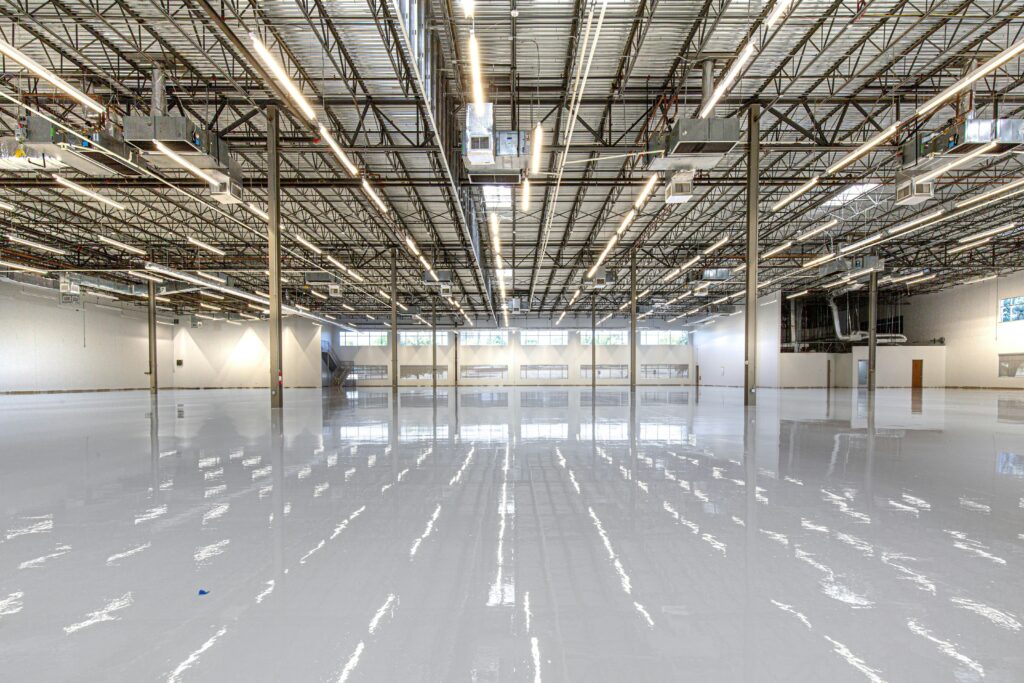
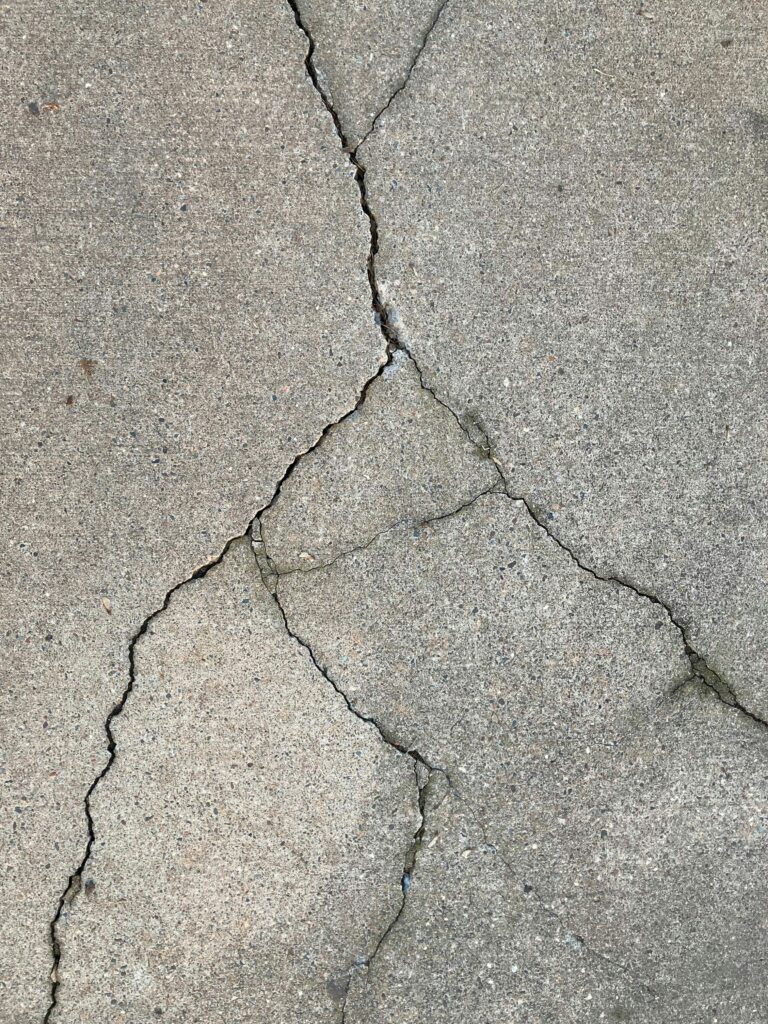
Candidacy first—residual oil still decides. Light residual risk on a sound, cleaned slab may allow a bonded overlay or a film coating matched to goals (rebuild wear surface vs cleanability/sheen), with moisture screening still required. Deep-soaked petroleum, soft contaminated paste, active leaks, or a failed host usually mean don’t finish yet, mitigate, or section replace / new pour—not a prettier film over a grease pad. Start with a complimentary phone/photo review, then a free on-site assessment if a visit is needed. Call (425) 215-2560.
In scope: the garage / shop finish decision after oil and grease are the known hinge—overlay vs epoxy-type coating vs refuse / replace.
Related: oil-stain prep before concrete overlay · garage floor overlay vs epoxy.
If the oil still needs to be removed or screened, start with oil-stain prep before concrete overlay. If oil isn’t the main issue, garage floor overlay vs epoxy compares the two finishes in general.
Host sits true; contamination is addressed enough for bond; the goal is a rebuilt wearing surface on a sound slab. Overlay can still be the restore-first path when residual-oil risk is light and the slab is otherwise a good candidate—system factors live on concrete overlays and the general garage floor overlay vs epoxy compare (bridged lightly; not reprinted here).
Moisture still matters even after oil screening—see moisture vapor testing before overlay. Oil ≠ vapor. A degreased slab can still fail from vapor under an impermeable film. Olsen confirms residual-oil candidacy and finish path on assessment—not from an online recipe card.
The slab is already sound and flat enough that a film meets the goal after honest oil + moisture screening. Prior peel only on the oil map is evidence, not a reason to recoat tomorrow. Olsen leads restore-first; if the buyer’s goal is primarily a brand flake system, we say so—scope what we do or point toward the right next step rather than force a mismatch. Neither overlay nor coating is universally “safer” on oily concrete; both need a clean-enough, sound host.
Deep residual petroleum; soft contaminated paste; active leaks; rocking, heaving, or a failed base. Another film over a grease pad funds the next peel. Structural CapEx framing when the host itself fails: overlay vs replacement. If a prior overlay already delaminated on the contamination map, see failed / delaminating overlay repair—don’t treat that peel as a green light to finish again tomorrow.
Oil ≠ vapor ≠ profile—all three can kill a finish. After residual oil is screened, still respect vapor (see moisture vapor testing) and mechanical profile (see grind vs shotblast overlay prep). Skipping any leg is a classic peel story. Hardware-aisle DIY “coat tomorrow” tips are common—when residual oil or a failed host is in play, stop stacking products and get a candidacy read first (see DIY vs pro concrete repair).
A complimentary phone and photo review is the fastest honest start for homeowners and light-shop owners. Send:
Photos → phone/photo → free assessment if a site visit is next. Call (425) 215-2560 or start from olsenconcrete.com.
Olsen starts with a complimentary phone/photo review. If a site visit is needed, we’ll schedule a free on-site assessment. Residual-oil candidacy first; finish choice (overlay vs coating) second; refuse-to-finish or section replace when honesty requires it. Licensed, bonded, and insured. Serving King County, Skagit County, and Snohomish County from a Lake Stevens service-area base. Hours: Mon–Sat 7:00 AM–6:00 PM. Call (425) 215-2560.
Drivers: residual contamination depth, prep passes, prior film removal, whether section replace is required, access / dust control—not a one-size price per square foot. National epoxy blogs may invent dwell-time charts or finish $/sq ft—treat those as general industry guidance only. Olsen does not publish one-size degreaser recipes, CSP charts, finish $/sq ft, oil-free warranties, or lifespan years online; residual-oil candidacy and path are confirmed on assessment. Send photos for a complimentary phone/photo review, then book a free on-site assessment. Call (425) 215-2560.
Downtime is usually driven by how many contamination and prep passes the floor needs and whether a section must be replaced before any new wearing surface. Rushing “degrease and flake tomorrow” over a grease pad is how peel stories get funded. A photo review is cheap insurance before finish day.
More candidacy answers live on our concrete repair FAQ.
Related resources:
Sometimes—only after oil/grease contamination candidacy on a sound slab. Light residual risk after honest prep may allow a bonded overlay or a coating path matched to goals and moisture; deep-soaked petroleum, active leaks, or a failed host often mean don’t finish yet or section replace. Assessment confirms. Call (425) 215-2560.
Neither is universally safer. Both need a clean-enough, sound host. Overlay rebuilds a wearing surface; epoxy-type coatings are film finishes. Residual oil and moisture can fail either. Assessment decides. Call (425) 215-2560.
Oil-stain prep covers how to screen/degrease contaminants. Garage overlay vs epoxy covers the general system compare. An oil-stained garage needs a finish or replace decision once oil is the main issue. Call (425) 215-2560.
Wide and close-up photos of oil maps and any peel islands; whether the vehicle/equipment leak is fixed; prior coatings; overlay vs epoxy goal; access notes. Complimentary phone/photo review first; free on-site assessment. Call (425) 215-2560 (Mon–Sat 7:00 AM–6:00 PM).
Olsen Concrete (Lake Stevens) screens residual-oil candidacy and the finish decision—overlay vs coating vs refuse/replace—across King, Snohomish & Skagit. Send photos for a complimentary phone/photo review, then a free on-site assessment if a visit is needed. Call (425) 215-2560 (Mon–Sat 7:00 AM–6:00 PM).
Send wide and close-up oil-map photos for a complimentary phone review. If a site visit is needed, we’ll schedule a free on-site assessment.
Or call (425) 215-2560. Licensed · Bonded · Insured · Mon–Sat 7:00 AM–6:00 PM · Lake Stevens base.