
Oil and grease are bond killers—degrease + mechanical prep when candidacy allows, or don’t coat yet. No one-size recipes or per-square-foot prices. Photos + free assessment.
Proudly serving King, Snohomish & Skagit County, WA
Oil and grease under parked cars and shop benches are quiet bond killers—pretty overlays and epoxy films peel where petroleum lived. Homeowners and light-shop owners across King, Snohomish & Skagit often land here after a franchise bid that ignored grease, a prior coat that peeled only on drip rings, or a DIY “cat litter + coat” tip that left a sheen. This is an honest oil-stain candidacy guide for Seattle-area garage and shop slabs: when degrease + mechanical prep still fits, when “don’t coat yet” or section replace is smarter, how oil differs from moisture vapor and grind-vs-shotblast, and how photos plus a free assessment get a real plan—without fake chemical recipes or a rate card. Call (425) 215-2560.
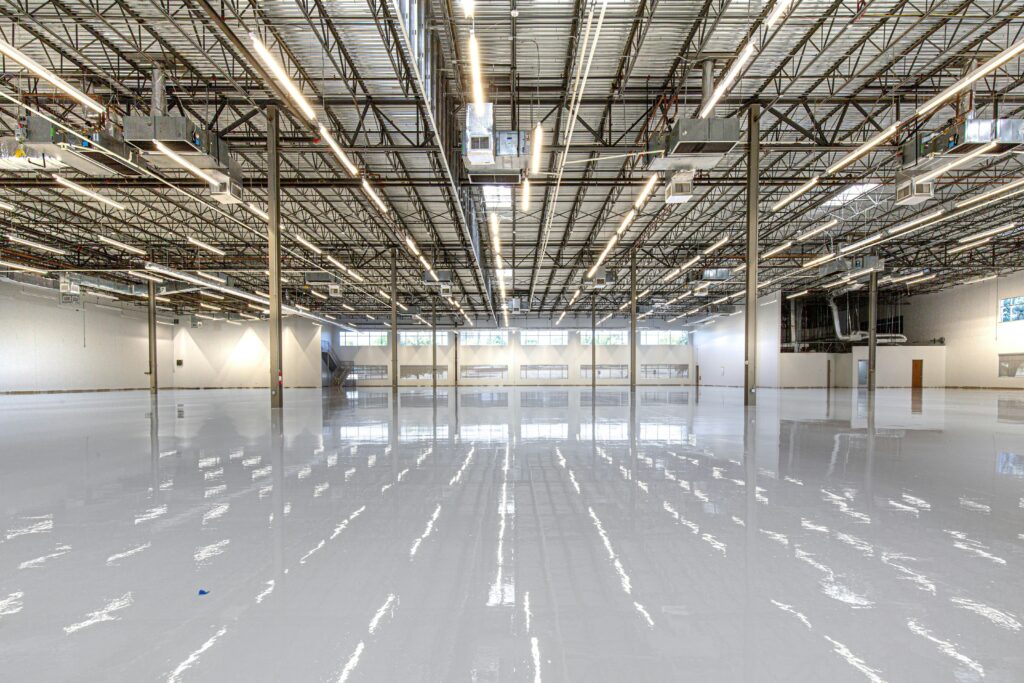
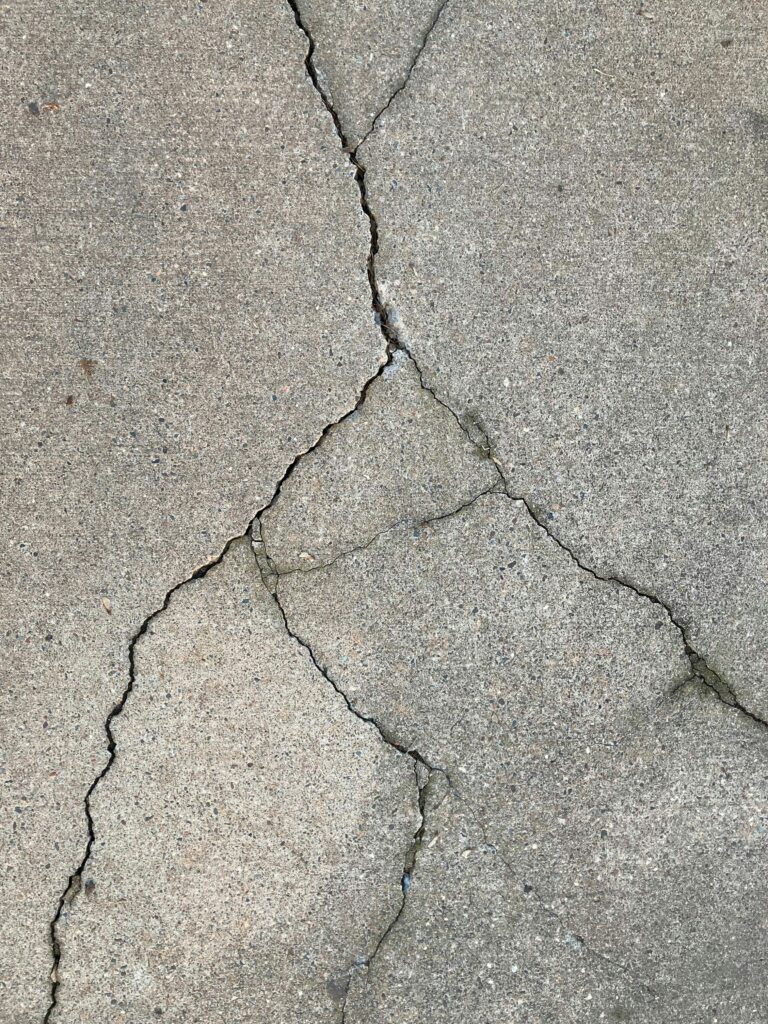
Sometimes—only after contamination candidacy on a sound host slab. Light surface oil or grease on a true, solid floor may allow degrease plus mechanical prep before a system-matched overlay or coating. Deep-soaked petroleum, soft contaminated paste, or recurring active leaks usually need more than a wash—and may mean refuse-to-coat, mitigation, or section replace rather than a pretty film over a grease pad. Start with a complimentary phone/photo review, then a free on-site assessment if a visit is needed. Call (425) 215-2560.
In scope: garage, shop, and light-commercial indoor slabs with oil, grease, or petroleum stains before a bonded overlay or coating. That is a contaminant candidacy gate—not a patio stamp brochure and not a DIY chemistry catalog.
Related: moisture vapor testing before overlay · grind vs shotblast overlay prep · garage floor overlay vs epoxy.
Olsen does not handle hazmat or underground-tank remediation.
Oil/grease = surface or near-surface contaminant that rejects bond. Moisture vapor = vapor moving through the slab under impermeable films. Grind/shotblast = profile after contaminants are addressed. Skipping any leg is a classic peel story—see failed / delaminating overlay repair.
Think of oil as a release agent the slab never asked for. Cementitious overlays need a clean, sound host; film coatings need the same honesty plus manufacturer prep rules. If a prior epoxy or acrylic already peeled in the exact drip map under the car, that peel island is evidence—not a reason to recoat tomorrow. Fix the leak source first; then decide candidacy. Olsen will not publish a “guaranteed oil-free” pass as an online promise.
Petroleum leaves a film that cementitious overlays and epoxy-style coatings reject. “It looks clean when dry” is not the same as bond-ready. Recurring drip lines from a parked car, mower, or compressor re-contaminate the floor if the source leak isn’t stopped. National epoxy blogs and competitor prep tips often say “degrease then grind”—useful industry context, not an Olsen product recipe. Olsen does not publish lab ppm thresholds, brand degreaser guarantees, soak times, or “oil-free forever” warranties online—assessment confirms contamination candidacy and method.
The slab sits true; oil is mostly surface sheen or a shallow stain; the active leak is stopped; the host sounds solid underfoot. Plan qualitative degrease, then mechanical prep matched to the chosen system—exact products follow the manufacturer and the assessment, not a published Olsen recipe card.
Contamination is addressed; mechanical prep matches the system (see grind vs shotblast for profile. Then choose the wearing system on garage floor overlay vs epoxy and the overlays guide concrete overlays. Exterior threshold pads at the door are a different choice—see garage apron overlay vs section replace.
Deep-soaked petroleum; soft or crumbly contaminated paste; a prior coat that already peeled only on the oil map; an active leak that isn’t fixed. Another film over a grease pad funds the next peel. Structural CapEx framing when the host itself fails: overlay vs replacement.
Even a degreased slab can still fail from vapor under an impermeable film—see moisture vapor testing before overlay. Oil and vapor are different failure modes; both can matter on the same garage floor.
A complimentary phone and photo review is the fastest honest start for homeowners and light-shop owners. Send:
Hardware-aisle DIY degrease tips are common—when the stain is deep or a prior coat already peeled on the oil map, stop stacking products and get a candidacy read first (see DIY vs pro concrete repair). Call (425) 215-2560 or start from olsenconcrete.com.
Olsen starts with a complimentary phone/photo review. If a site visit is needed, we’ll schedule a free on-site assessment. Contamination candidacy first; mechanical prep and system choice second; refuse-to-coat or section replace when honesty requires it. Licensed, bonded, and insured. Serving King County, Skagit County, and Snohomish County from a Lake Stevens service-area base. Hours: Mon–Sat 7:00 AM–6:00 PM. Call (425) 215-2560.
Drivers: stain depth, degrease passes, mechanical prep, edge density, prior film removal, whether section replace is required, and access / dust control. National prep blogs may invent dwell-time charts or prep $/sq ft adders—treat those as general industry guidance only. Olsen does not publish one-size degreaser recipes, CSP charts, prep $/sq ft, or lifespan years online; contamination candidacy and method are confirmed on assessment. Send photos for a complimentary phone/photo review, then book a free on-site assessment. Call (425) 215-2560.
Downtime is usually driven by how many contamination and prep passes the floor needs and whether a section must be replaced before any new wearing surface. Rushing “grind and coat tomorrow” over a grease pad is how peel stories get funded. A photo review is cheap insurance before coating day.
More candidacy answers live on our concrete repair FAQ.
Sometimes—only after oil/grease contamination is addressed on a sound slab. Light surface stains may allow degrease plus mechanical prep before a bonded overlay or coating; deep-soaked petroleum or active leaks often mean don’t coat yet, mitigation, or section replace. Assessment confirms candidacy. Call (425) 215-2560.
No. Oil/grease is a surface contaminant that rejects bond. Moisture vapor moves through the slab and can lift impermeable films even on a degreased floor. Both can matter; see our moisture vapor testing guide for the vapor decision. Call (425) 215-2560.
Rarely. Washing may remove dirt but often leaves petroleum film that still rejects overlay or epoxy. Plan degrease plus mechanical prep matched to the system—and assessment when stains are deep. Profile method context: grind vs shotblast overlay prep. Call (425) 215-2560.
Wide and close-up photos of oil maps and any peel islands; whether the vehicle/equipment leak is fixed; prior coatings; overlay vs epoxy goal; access notes. Complimentary phone/photo review first; free on-site assessment. Call (425) 215-2560 (Mon–Sat 7:00 AM–6:00 PM).
Olsen Concrete (Lake Stevens) screens oil/grease contamination candidacy on garage and shop slabs across King, Snohomish & Skagit before bonded overlay or coating. Light surface stains on a sound slab may allow degrease + mechanical prep; deep-soaked petroleum or active leaks often mean don’t coat yet or section replace. Send photos for a complimentary phone/photo review, then a free on-site assessment if a visit is needed. Call (425) 215-2560 (Mon–Sat 7:00 AM–6:00 PM).
Send wide and close-up oil-map photos for a complimentary phone review. If a site visit is needed, we’ll schedule a free on-site assessment. Hours: Mon–Sat 7:00 AM–6:00 PM.
Or call (425) 215-2560. Licensed · Bonded · Insured · Lake Stevens service-area base · King, Snohomish & Skagit.