
When a polished warehouse or showroom floor needs grind/repolish maintenance—and when overlay or replace is the honest next step. Photos + $150 assessment credited if you proceed.
Proudly serving King, Snohomish & Skagit County, WA
Polished commercial floors still need a maintenance plan—forklift lanes dull, showroom sheen fades, and online “repolish every X years” charts promise more certainty than a real floor allows. Olsen provides commercial concrete polish maintenance for facility managers, warehouse/retail ops, and property managers across King, Snohomish & Skagit. This guide covers when a light grind/repolish refresh still fits, when overlay or replace is the durable call, how maintenance differs from a first-time polish, why Olsen will not publish life years or a rate card online, and how photos plus a credited on-site assessment get a real plan timed around ops. Start with a complimentary phone/photo review; the on-site assessment is credited if you proceed. Call 425-215-2560.
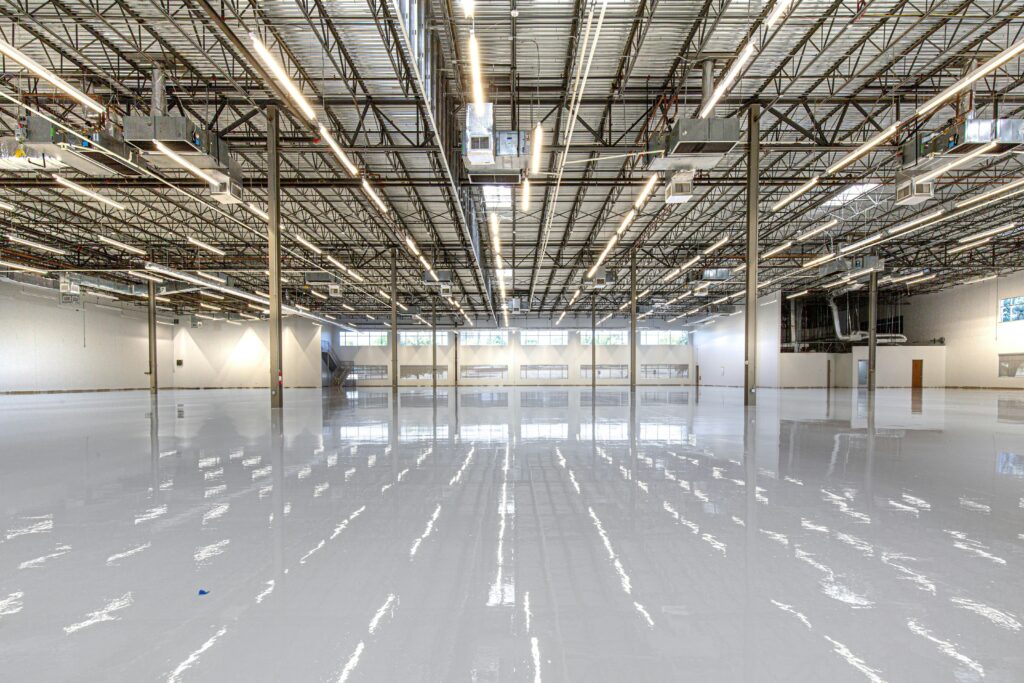
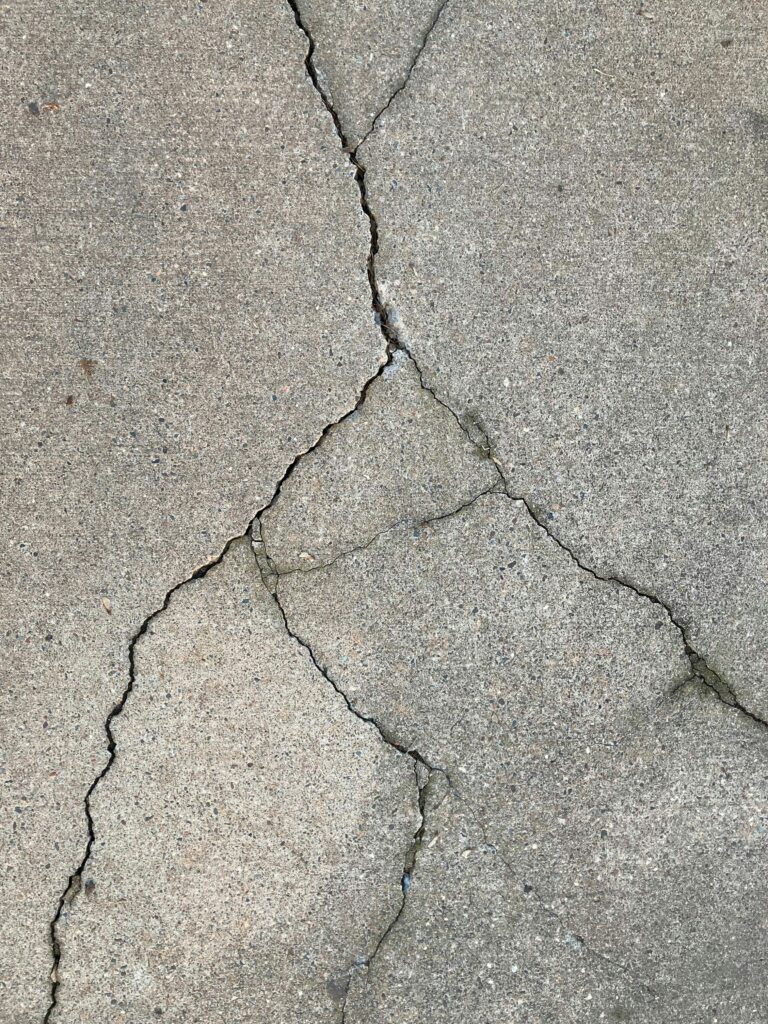
Maintenance grind/repolish is a mechanical refresh of an already polished (or polish-path) commercial slab that still sits true enough to wear as the finish. Dull or lightly abraded traffic lanes on a stable host often remain a refresh candidate after screening. Deep abrasion, joint breakout, failed patches, or coating contamination usually mean overlay or repair first. Rocking panels, failed base, or unresolved chronic moisture point to section replace or a new pour—not another polish pass sold as “maintenance.”
For a first-time polish or warehouse work sequencing, see commercial concrete polishing Seattle and commercial warehouses. This guide focuses on how often facility floors need a grind and repolish. Competitor blogs invent “every 1–3 years” calendars, grit charts, and $/sq ft bands; treat those as general industry guidance only. Olsen does not publish one-size polish life years, grit tables, or unit prices online; candidacy, traffic, and ops windows are confirmed on assessment. Send photos for a complimentary phone review, then book the on-site assessment, credited to your project if you proceed. Call 425-215-2560 (Mon–Sat 7:00 AM–6:00 PM).
Watch for loss of clarity or sheen in traffic lanes; cleaning that no longer recovers appearance; tire marking that “sticks”; and tired joint edges—while panels remain stable (no rocking, major displacement, or failed base). Those cues often start a maintenance-polish conversation. Do not treat national “every 2–3 years” intervals as an Olsen warranty; treat them as general guidance only. Scope is confirmed on assessment, not from a calendar published online.
Housekeeping still matters. A sound clean program protects appearance between CapEx events; mechanical grind/repolish is work-order / CapEx scope when observation cues show up and the slab still qualifies. Olsen does not publish janitorial chemical brand SOPs or grit/gloss recipes as specs.
After-hours, phased zones, and inventory moves are planned with the FM—not made-up as “always done in X days” SLAs. Tell us preferred windows and reopen constraints during photo review so the plan respects ops.
Sound host; surface dulling or light abrasion is the complaint; joints and panels are stable. A light mechanical refresh can restore the wearing surface when candidacy passes. No grit/gloss tables. Related: commercial concrete polishing Seattle.
Scaled or deeply abraded paste, joint failure, or patchwork that will telegraph through another polish pass usually need repair or overlay first. See concrete overlays and commercial warehouses for system and ops depth. CapEx when the slab itself is the question: commercial overlay vs replace.
Rocking or hollow panels, failed base, or chronic unresolved moisture that will ruin any finish—section replace or new pour, not another “repolish package.” Moisture before coatings or overlays: see moisture vapor test before overlay. Prep method debates (SLU vs grind) stay on self-leveling vs grinding—here grind means polish refresh.
If the buyer now wants a chemical barrier, color/flake, or sealed wipe-down film, see polished concrete vs epoxy.
Warehouse / light industrial: abrasion and forklift lanes usually drive the cadence first. Related: commercial warehouses.
Retail / showroom: customer-facing appearance and cleanability matter when the slab still sits true. Talk;dust-free forever” claims. Same honesty ladder applies: refresh when candidacy passes; overlay/repair when worn; replace when structure fails.
Olsen will not publish online:
Cost and schedule drivers stay qualitative: floor area; refresh vs overlay volume; strip / prior contamination; finish level; access and phasing; moisture work if needed. Lifetime-value frame: the cheapest vendor “repolish package” on a failing commercial slab is often the expensive CapEx choice. Competitor unit-price cards and life-year charts stay general planning guidance only. Send photos for a complimentary phone/photo review, then book the on-site assessment, credited to your project if you proceed. Call 425-215-2560.
Complimentary phone/photo review is the fastest honest maintenance-vs-overlay-vs-replace read. Send:
Call 425-215-2560 or start from contact / olsenconcrete.com. Hours: Mon–Sat 7:00 AM–6:00 PM. Lake Stevens service-area base · King, Snohomish & Skagit. If a site visit is next, the $150 on-site assessment is credited toward the project if you proceed.
Olsen starts FM-maintenance honest: refresh polish when the slab qualifies; overlay/repair when worn but salvageable; replace when it doesn’t; refuse polish-on-failure. Serving King County, Skagit County, and Snohomish County. See also: facility managers. Licensed, bonded, and insured. More candidacy answers: concrete repair FAQ.
More candidacy answers live on our concrete repair FAQ.
Often when observation cues show up on a still-sound slab: dull traffic lanes, abrasion that cleaning won’t recover, tire marking that won’t release, or tired joint edges—while panels remain stable. A light mechanical grind / densify / repolish refresh can restore the wearing surface when candidacy passes. Deep abrasion, joint breakout, failed patches, coating contamination, or structural failure usually mean overlay, repair, or section replace—not another polish pass sold as maintenance. Olsen does not publish fixed polish life years or “every X years” warranties online. Complimentary phone/photo review; $150 on-site assessment credited if you proceed. Call 425-215-2560.
Commercial concrete polishing Seattle is for warehouses, retail, and showrooms deciding on a first grind–densify–polish. Polish maintenance is what comes after: when a polished floor needs a refresh, a repeat grind and repolish, an overlay, or replacement. For warehouse sequencing, see commercial warehouses; for coatings vs polished slabs, see polished concrete vs epoxy; for a portfolio overview, see facility managers. Send photos and Olsen will point you to the right path. Call 425-215-2560.
No. Olsen does not publish one-size polish life years, grit/gloss price ladders, dust-free forever guarantees, or $/sq ft online. Maintenance candidacy, traffic, and ops windows are confirmed on assessment. Call 425-215-2560.
Send wide + lane close-ups (dulling, joints, coatings), plus ops notes (forklift vs foot traffic, after-hours windows, reopen constraints). Complimentary phone/photo review → optional $150 credited assessment. Lake Stevens base · King, Snohomish & Skagit · Mon–Sat 7:00 AM–6:00 PM. Call 425-215-2560.
Olsen Concrete (Lake Stevens) helps facility managers and commercial ops across King, Snohomish & Skagit with honest grind/repolish maintenance when the slab still qualifies—and overlay, repair, or replace guidance when it does not. Photos for phone/photo review; $150 on-site assessment credited if you proceed. Call 425-215-2560 (Mon–Sat 7:00 AM–6:00 PM).

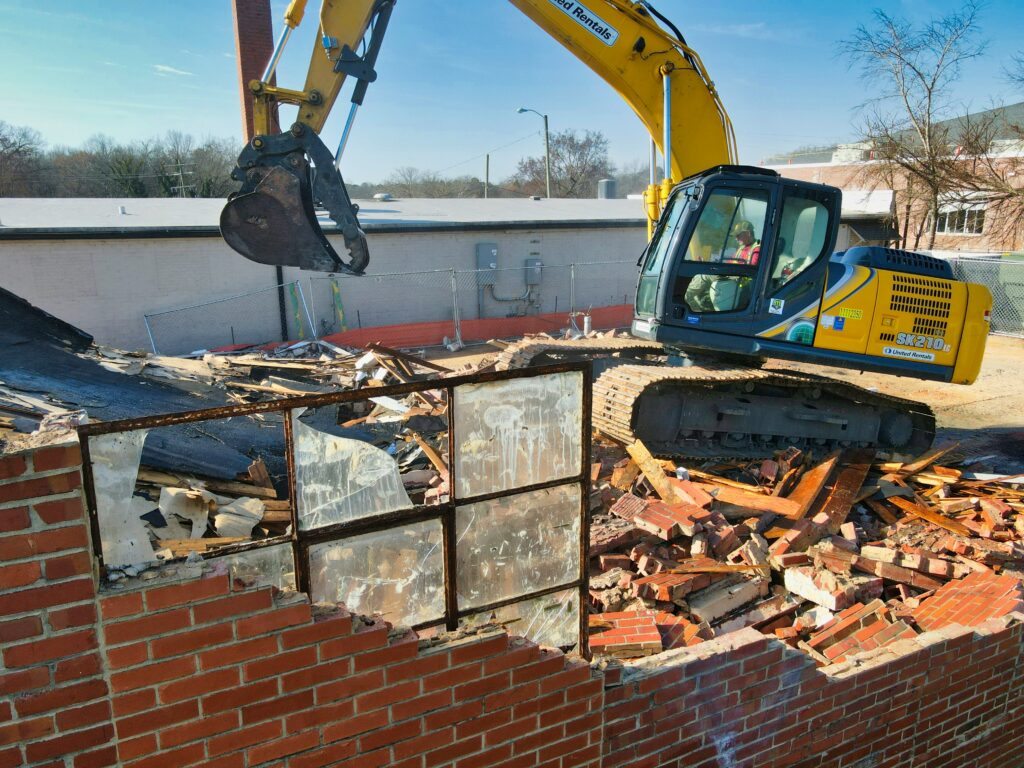
Send warehouse or showroom floor photos for a complimentary phone review. If a site visit is next, the $150 on-site assessment is credited toward the project if you proceed. Hours: Mon–Sat 7:00 AM–6:00 PM.
Or call 425-215-2560. Licensed · Bonded · Insured · Lake Stevens service-area base · King, Snohomish & Skagit.