
Honest Seattle ECA decision for hillside lots—when like-for-like overlay stays lighter vs excavation/new impervious. No one-size fee table. Photos + free assessment.
Proudly serving King, Snohomish & Skagit County, WA
Hillside and water-adjacent Seattle lots often sit in or near mapped Environmentally Critical Areas—and internet advice swings from “every driveway needs a geotech package” to “overlay never needs review.” This is an honest Seattle ECA concrete review for homeowners (and some landlords / HOA contacts) deciding driveway, patio, walk, retaining-adjacent, or section-replace work: when like-for-like overlay / resurfacing often stays on a lighter path, when excavation / new impervious / retaining change the decision, why Olsen will not publish an ECA fee or week chart online, and how photos plus a free on-site assessment get you a real plan before pour day. Call (425) 215-2560.
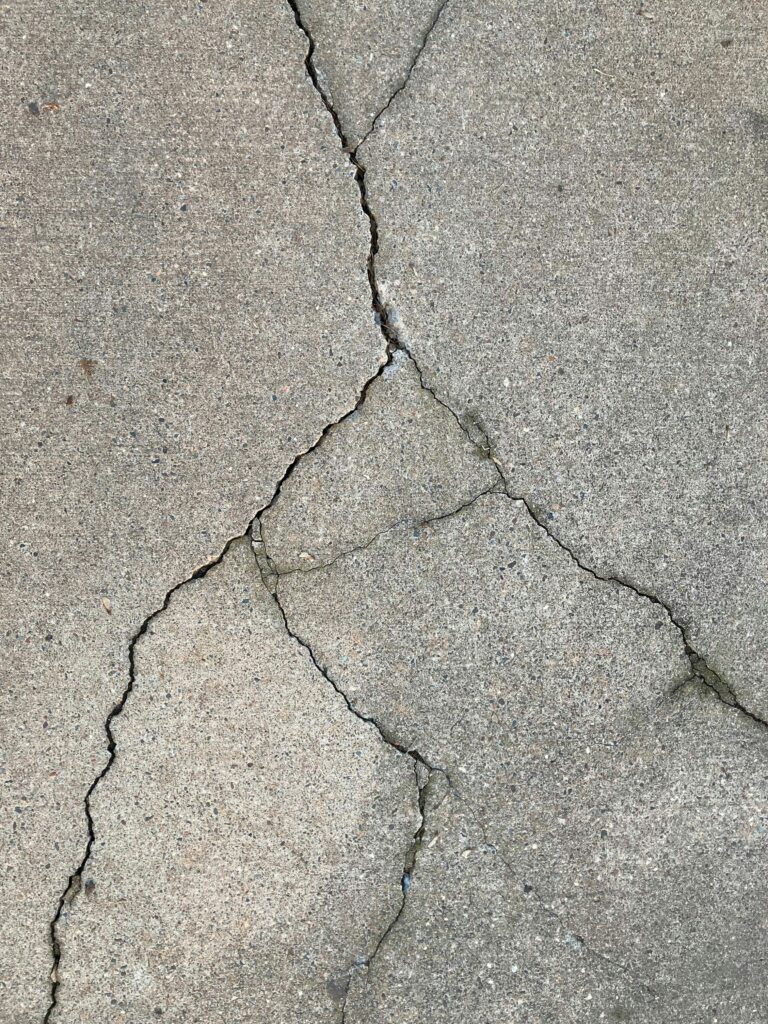
ECA needs are job-specific: which mapped layers / buffers apply, whether work stays on an existing slab vs new or expanded paving, excavation depth, retaining or drainage changes, and cosmetic vs structural scope. Competitor blogs often publish week-count charts and process tables—treat those as general planning guidance, not Olsen’s schedule or a guaranteed city timeline. After any attributed competitor or agency band: Olsen does not publish one-size ECA fees or review-week guarantees online; confirm with SDCI for your address and with Olsen on assessment. Start with a complimentary phone/photo review, then a free on-site assessment if a visit is needed. Call (425) 215-2560.
Under Seattle’s Environmentally Critical Areas code (SMC 25.09), ECAs include geologic hazards (steep slope, landslide, peat, liquefaction, seismic, volcanic—named qualitatively; Olsen does not publish slope percentages), flood-prone areas, wetlands, fish & wildlife habitat / riparian corridors, and abandoned landfills. Seattle’s stated goal is to protect resources and public safety while allowing reasonable development—attribute seattle.gov SDCI ECA code. This page is not legal advice and not a code reprint.
Enter your address in Seattle’s online map tool, toggle ECA layers, and note possible buffer overlap. Many map layers are advisory; SDCI confirms with detailed site information (topo, wetland report, and similar) when needed. If a Shoreline District note appears, treat it as a light flag and confirm with the city. Point yourself to the live seattle.gov map tool and Tip sheets before assuming “simple flatwork.”
Existing patio, walk, or driveway slab; work stays on the host; little or no meaningful excavation; no footprint expansion; no new retaining. That restore-first path is often lighter than tear-out or expansion—confirm mapped layers and that the host qualifies for restore. See concrete overlays and overlay vs replacement. Competitor “usually no—confirm scope” language is general planning guidance, not a promise for every address.
New or expanded impervious (patio / driveway expansion), deep excavation, retaining walls in or near steep slope, foundation work in landslide-prone areas, and drainage tied into riparian or wetland corridors commonly raise ECA attention. We don’t publish square-footage thresholds or buffer feet—confirm with SDCI Tip sheets for your address.
Tear-out + regrade + a thicker new pour can introduce soil disturbance and drainage change a restore path might avoid when candidacy allows. Failed host / washed-out base / rocking panels still need honest replace—restore-first is not “never dig.” PNW saturation on clay-rich hillsides is a qualitative drainage conversation: see fix drainage before resurfacing and winter-rain overlay / pour.
Seattle concrete permits / flatwork covers private flatwork vs SDOT approach / ROW. For driveway section replace when restore fails, see driveway demolition & replacement and driveway repair Seattle. Garage apron transitions: garage apron overlay vs replace. Public ROW sidewalk trip lips: sidewalk trip hazard repair Seattle.
When triggered, geotech, wetland delineation, and biological assessments are produced by licensed specialists—not substituted by a concrete contractor’s opinion. Olsen scopes concrete restore / overlay / replace, advises on excavation vs overlay decisions, and can coordinate documentation when a job needs SDCI ECA review. Olsen does not write geotech or biological reports and does not claim to “always handle every ECA permit.” Point readers to Tip 327A/B and related Tips for exemption / waiver paths when they may apply—confirm eligibility with seattle.gov. More process answers: concrete repair FAQ.
A complimentary phone and photo review is the fastest honest start. Send:
Expect honesty—including “this looks like like-for-like overlay candidacy on an existing slab” or “this expansion / excavation needs city + specialist confirmation before we pour.” Complimentary phone/photo review → free on-site assessment. Serving King County, Skagit County, and Snohomish County from a Lake Stevens service-area base (outside Seattle ECA maps, confirm your city’s critical-area rules). Hours: Mon–Sat 7:00 AM–6:00 PM. Licensed, bonded, and insured. Call (425) 215-2560. Current official rules: seattle.gov SDCI ECA.
More candidacy answers live on our concrete repair FAQ.
Often like-for-like overlay or resurfacing on an existing private patio, walk, or driveway slab with little or no meaningful excavation and no new / expanded impervious footprint is a lighter path than new paving, deep digs, retaining walls, or drainage changes in or near mapped Environmentally Critical Areas under SMC 25.09. Maps help flag risk; SDCI confirms for your address. Treat competitor week charts and fee bands as general planning guidance, not a bid. Olsen does not publish one-size ECA fees online. Call (425) 215-2560 for a complimentary phone/photo review, then a free on-site assessment if a visit is needed. Hours Mon–Sat 7:00 AM–6:00 PM.
Use Seattle’s SDCI online map tool and toggle ECA layers for your address. Many map layers are advisory; the city confirms with detailed site information when needed. If any layer overlaps your lot or appears near a buffer, assume you should confirm with SDCI before treating the project as “simple flatwork.” Olsen can help scope overlay vs excavate / new-impervious during assessment—(425) 215-2560.
Because published bands go stale and skip the variables that change real jobs: which ECA layers apply, overlay vs excavation, new impervious, retaining / drainage, and whether specialist studies are required. A neat chart can scare homeowners into unnecessary packages—or into expanding a patio into a sensitive area without knowing. Send photos for a complimentary review, then schedule the free on-site assessment. Check seattle.gov / SDCI for current official guidance. (425) 215-2560.
ECA review (SMC 25.09 via SDCI) addresses environmentally critical / geologic / habitat constraints on or near the lot. SDOT Street Use / driveway approach addresses work in the public right-of-way (curb, sidewalk, apron). Many projects need a clear read on both. See our Seattle concrete permits / flatwork guide for private-lot vs approach questions. Confirm with the city for your address. (425) 215-2560.
Wide and close-up photos of the driveway / patio / walk and surrounding slope or drainage context; notes on whether work expands footprint or needs retaining / excavation; any GIS screenshots or prior SDCI comments; approximate size and access. Complimentary phone/photo review first; free on-site assessment. Call (425) 215-2560 (Mon–Sat 7:00 AM–6:00 PM).

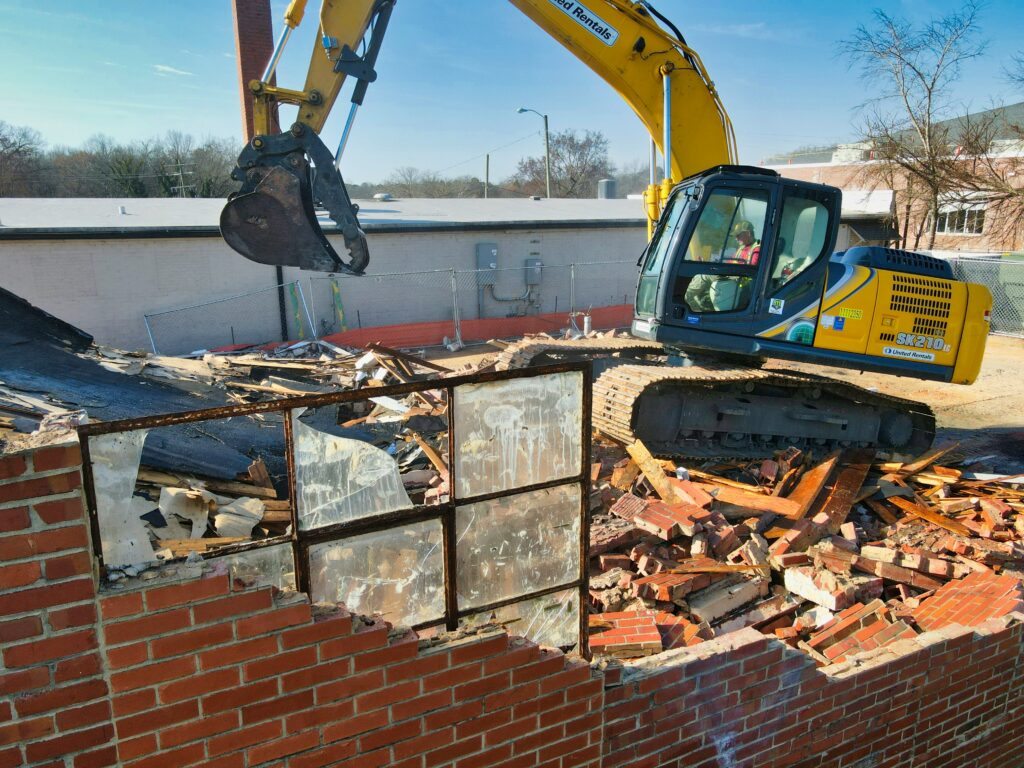
Send wide and close-up driveway / patio / walk photos plus slope or drainage context for a complimentary phone review. If a site visit is needed, we’ll schedule a free on-site assessment. Hours: Mon–Sat 7:00 AM–6:00 PM.
Or call (425) 215-2560. Licensed, bonded & insured · Lake Stevens base · King, Snohomish & Skagit.