
Factors-first lifespan for Western WA overlays—industry ~10–20 year ranges as context, not Olsen guarantees—plus sealer, ice-melt, and drive-on guides.
Proudly serving King, Snohomish & Skagit County, WA
Homeowners often hear that a concrete overlay “lasts 10–20 years” online and want the Seattle-area truth. Longevity is a system—sound host slab, prep, product, drainage, sealing, winter habits, and traffic—not a single year stamp. This page frames industry ranges as context for Western Washington, not as Olsen guarantees. Call (425) 215-2560.
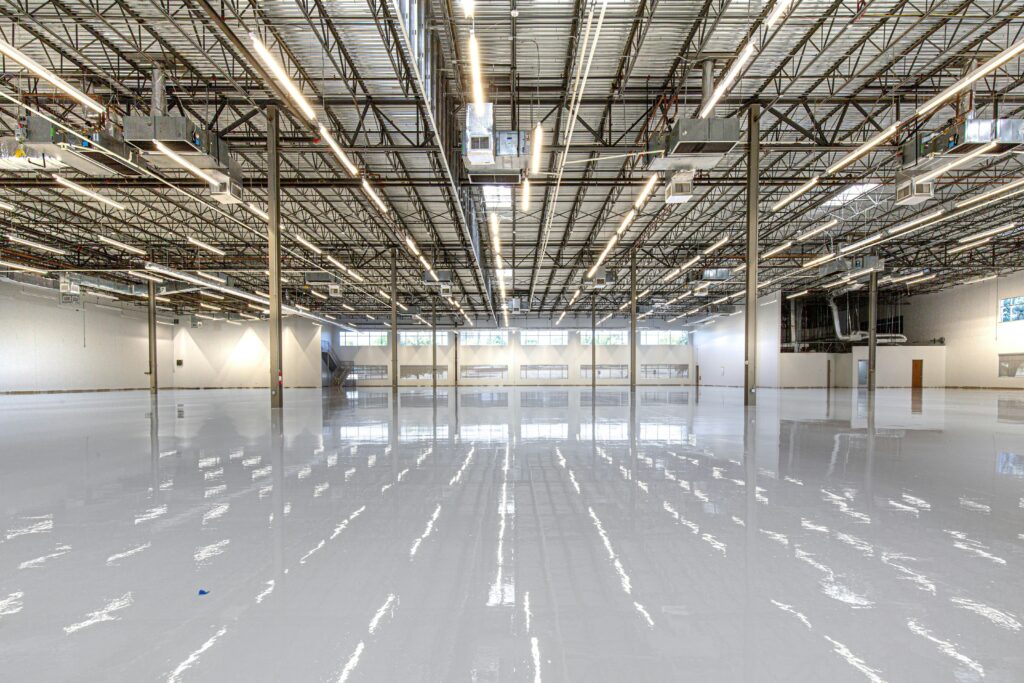
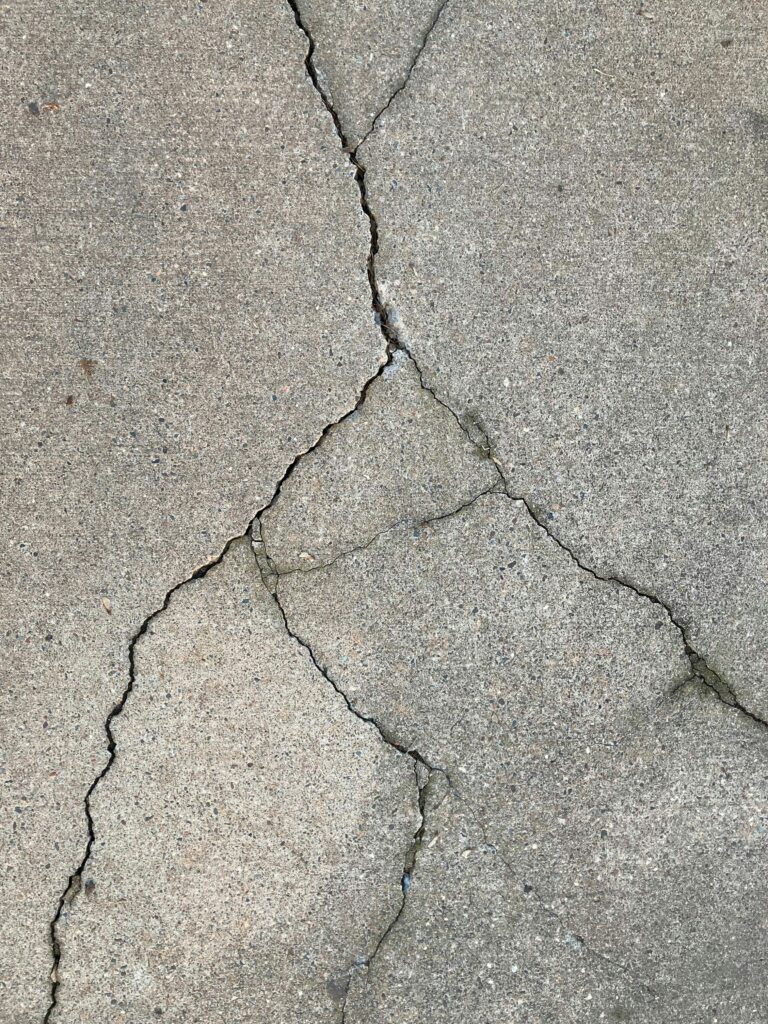
How long a concrete overlay lasts depends on slab soundness, surface preparation, the overlay system, drainage, traffic, sealing, and winter habits. Competitor and industry guides for Seattle-area, well-maintained overlays often cite a rough planning band around ~10–20 years—treat that as general industry guidance, not a warranty. Olsen does not publish a guaranteed year count online (same honesty as our FAQ). Driveways with heavy vehicle traffic often wear sooner than patios or walks—then confirm what maintenance plan fits this exposure on assessment.
An overlay is a bonded new wearing surface on a sound host—not a structural rebuild of a failed base. “Last” means useful service life before major surface failure such as scaling, delamination, or widespread wear—not “looks brand-new forever.” Cosmetic aging (fading, light wear) is not the same as structural failure. For overlay system fit, see concrete overlays.
A sound, stable slab plus mechanical profile and bond prep is the foundation of service life. Overlay on rocking, hollow, or actively settling panels fails early—see overlay vs replacement.
Ponding and wet freeze–thaw stress the wearing surface and the base. Fix water paths when needed before counting on any decade of life—see fix drainage before resurfacing.
An appropriate sealer for outdoor PNW exposure helps limit water entry; product family matters (penetrating vs acrylic). See also: penetrating vs acrylic concrete sealer. We do not publish reseal-year charts—observation cues like “when water stops beading” can guide a conversation without becoming a lab guarantee.
Aggressive rock salt and harsh chloride ice melts accelerate scaling on outdoor concrete and overlays. See also: ice melt / overlay winter care. Traction-first habits—clear snow, then sand or grit when safety allows—protect life better than weekly salt dumps.
Driving or edge-loading too soon can permanently mark or damage a young overlay—shortening aesthetic and sometimes structural life. See also: when can I drive on a concrete overlay.
Think of lifespan as a stack of decisions, not a sticker on the bag. Skip candidacy and you buy a surface that peels. Skip drainage and you freeze water into the paste. Skip seal or dump rock salt all winter and you accelerate scale. Rush drive-on and you mark a young wearing surface permanently. Each of these has its own Olsen guide.
Failed prior coating peeling, hollow sound, edge delamination, chronic ponding ignored, or salt winters with no rinse habits often explain early failure. Another thin coat over a failing host is the expensive choice. Restore-first when the slab qualifies; replace when it does not—see concrete overlays and overlay vs replacement.
Resurfacing is worth considering when the host can earn a fair service life and downtime/cost beat tear-out—without a one-size price per square foot or decade warranties. Compare honest paths: maintain existing → repair/overlay → section replace → full tear-out. Assessment answers this driveway or patio, not a blog year stamp.
A complimentary phone and photo review is the fastest start. Send:
Call (425) 215-2560 or start from olsenconcrete.com.
Olsen starts with a complimentary phone/photo review. If a site visit is needed, we’ll schedule a free on-site assessment. You leave with a candidacy-first read and a maintenance conversation that fits Western Washington exposure—not a fake year guarantee. Licensed, bonded, and insured. Serving King County, Skagit County, and Snohomish County from a Lake Stevens service-area base. Hours: Mon–Sat 7:00 AM–6:00 PM. Call (425) 215-2560.
More candidacy answers live on our concrete repair FAQ.
There is no honest single-year guarantee. Longevity depends on host-slab soundness, surface preparation, the overlay system, drainage, traffic, sealing, and winter habits. Competitor and industry guides for Seattle-area / well-maintained overlays often cite a rough planning band around 10–20 years; treat that as general guidance, not a warranty. Western Washington’s wet weather and freeze–thaw stress make sealing, drainage, and deicer habits matter more than a national blog number. Olsen does not publish a guaranteed year count online—ask what maintenance plan fits your exposure during assessment. Call (425) 215-2560 for a complimentary phone/photo review, then a free on-site assessment if a visit is needed. Hours Mon–Sat 7:00 AM–6:00 PM.
Rain alone does not automatically doom an overlay, but moisture plus poor drainage, weak prep, or skipping seal and winter care can shorten life. Wet freeze–thaw cycles stress surface paste—especially when water ponds or ice melt pulls moisture into the surface. Fix water paths when needed, choose an appropriate sealer for outdoor exposure, and follow traction-first winter habits. See Olsen’s drainage, sealer, and ice-melt guidance; start with photos: (425) 215-2560.
An appropriate sealer helps limit water entry for outdoor PNW exposure. Product family depends on finish—see penetrating vs acrylic concrete sealer. That is qualitative guidance, not an Olsen reseal-year calendar.
Yes. Aggressive rock salt and harsh ice melts can accelerate scaling. Prefer clearing and sand/grit when safety allows, and rinse when practical. Details: ice melt / overlay winter care.
When the host is rocking, heaving, hollow, or chronically ponding—another surface product will not buy decades of life. Screen candidacy on concrete overlays and overlay vs replacement, then confirm on assessment: (425) 215-2560.
Send surface photos for a complimentary phone review. If a site visit is needed, we’ll schedule a free on-site assessment. Hours: Mon–Sat 7:00 AM–6:00 PM.
Or call (425) 215-2560. Licensed, bonded & insured · Lake Stevens service-area base · King, Snohomish & Skagit.